How to choose fabrics for your home
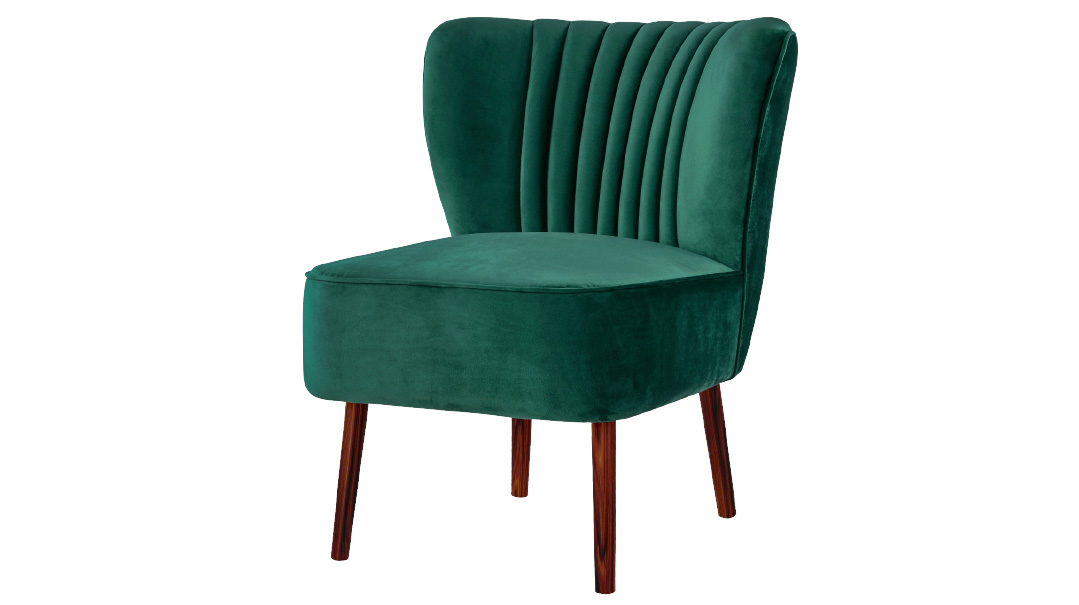
What would we do without comfy sofas and armchairs? They’re the center of the living room and a gentle cradle of life (often the single-cell variety), where backs go to rest and to-do lists go to die.
When examining online images, check that seams run straight. A row of seams on a part of the sofa that doesn’t get a lot of rubbing is an indication of higher quality. Look for excessive wrinkling on cushions, also an indicator of low quality. Note that a single extra-long sofa cushion may look sleek in images, but it will wrinkle over time.
Read the product specifications and see what material is used as filler. “The highest-grade upholstery has a core of metal springs or webbing and stuffing of wool and down feathers,” Richie says. Such pieces are expensive and long-lasting. They are often worth reupholstering rather than replacing. Memory foam is a good quality alternative that is not as expensive. Non-memory foam has a range of quality.
Reading product specs is not foolproof. “If the specs are true, then you can tell if the piece is good. But some sellers don’t tell the truth,” says Chaim. “We get customers who ordered from big-box stores, and we replace their low-quality foam and springs with new supports. Basically, we do what the seller should have done in the first place. It’s not worth buying cheap things.”
Outside materials that last longest include leather, tweed, and performance fabrics, which are water and steam resistant. Vinyl lasts long but is not a high-quality choice.
Create a free account to keep reading.