Four perspectives on the struggle to learn to read
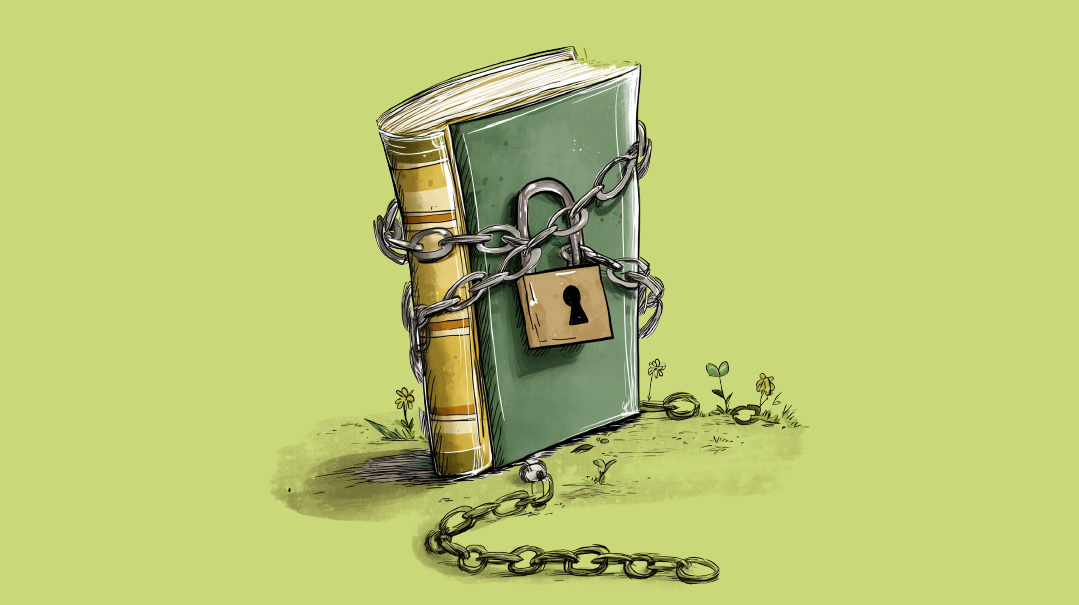
“MYdaughter has a hard time making it through the novels her teacher assigns them.” I could hear the hesitation in my friend’s voice as she shared this with me. “She reads very slowly, and it’s hard for her to understand what she’s reading. She does better when someone else reads the text out loud. But she’s already in tenth grade… is this normal?”
This wasn’t the only such call I’d received lately. Another friend had called me the week before, distraught. It was six months into the school year, and the school had just informed her that her second grader’s reading was below grade level. How, she asked me, had this gone unnoticed until now?
As a reading specialist and literacy coach, I often receive these sorts of calls from friends. It’s clear to everyone that reading is a fundamental skill that you need in order to function in the world — reading isn’t an optional skill. Schools have the responsibility to teach students to read, and most take this responsibility seriously. During a meeting at the school where I work as a coach, the principal commented that mastering reading is pikuach nefesh. In fact, a recently published longitudinal study following students to age 20 found that illiteracy posed serious risks to physical and mental health. There’s even a term, “school to prison pipeline,” that refers to statistics showing that two-thirds of students who aren’t reading proficiently by the end of fourth grade end up in jail or on welfare. In our community, many of those involved with at-risk youth have noted the fallout for students who fail to learn how to read or remain functionally illiterate.
These statistics are sobering — but they aren’t a given. Students don’t need to fall between the cracks. We can prevent this — if we take advantage of the body of research and evidence in the area of literacy and learning and allow it to inform our practices in schools.
Create a free account to keep reading.