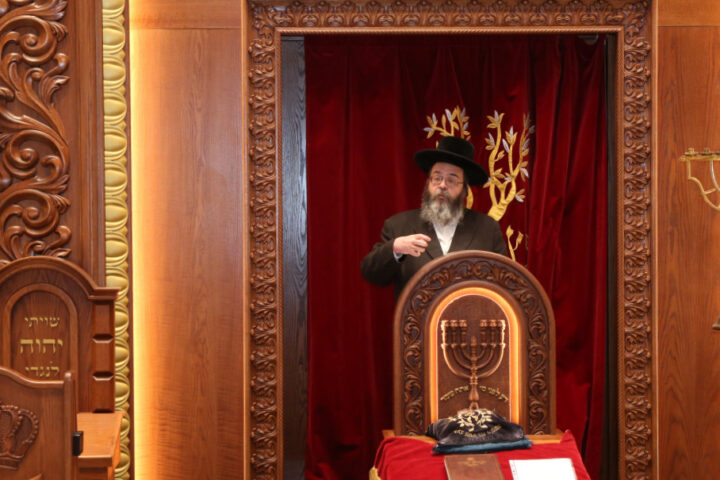
We continue with the study of Hashem's middos based on the sefer Tomer Devorah
Tgive lip service to the idea of ahavas Yisrael. The Ramak reminds us what it’s all about. We are all family — sometimes dysfunctional, but family nonetheless. He highlights this in explaining the fourth middah, lish’eiris nachalaso.
“To the remnant of His inheritance” — behold, the Holy One, Blessed be He, acts with His people in this way, saying, “What can I do with Israel? They are My relatives — relation of flesh do I have with them.” As they are the spouse to the Holy One, Blessed be He; and He calls them “My daughter” and “My sister,” “My Mother” — as they, may their memory be blessed, explained (Shir Hashirim Rabbah 3:11:2).
And it is written (Tehillim 148:14), “Israel, His close (kerovo) nation” — He has actual closeness (kirvah) with them, and they are His children. And that is the meaning of the ‘remnant of (she’eiris) His inheritance’ — it is an expression of relation (she’er) of flesh; and in the end, they are His literal inheritance. ‘And what shall I say? If I punish them, behold the pain is upon Me; as it is written (Yeshayahu 63:9): In all their distress, the distress (tsar) was His.’ ”
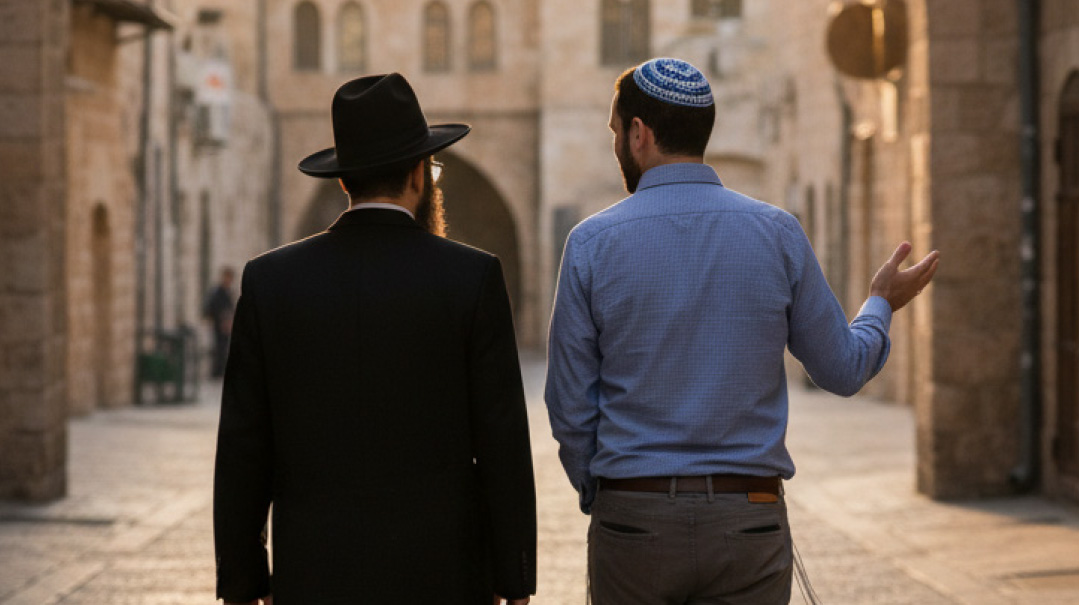
View other Jews through this lens. Some are very similar to me, and some are very, very different. Many of our biological relatives are very different from us, but does that ever make us question if we are family? Why, then, does another Yid wearing a kippah of a different size — or none at all — so easily make us forget this point?
Create a free account to keep reading.