There is now media buzz about another potential lame duck, President Donald Trump
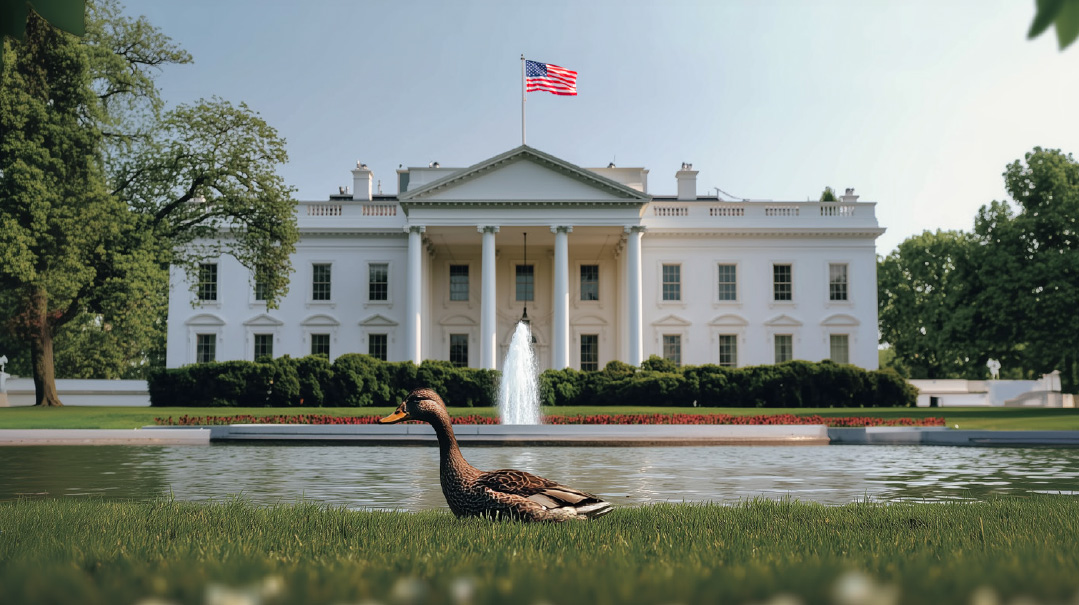
When I first entered politics, I had an offer to work for one of the most powerful people in Washington, the retiring House majority leader. I was excited at the prospect of my immediate entry into the upper halls of power — until I heard the word “lame duck” associated with my prospective employer’s name. This is a toxic term in politics that defines a politician who has lost power. The retirement of this House majority leader meant I would be working not in the halls of power but simply in the halls of a lame-duck elected official. There is now media buzz about another potential lame duck, President Donald Trump. Suffering a massive defeat earlier this month and predictions of a likely electoral drubbing in 2026 midterms, and a massive amount of infighting and defection within his own party, the question is if Trump is losing power and entering the dreaded title of lame duck.
The term lame duck originated in the 18th century, when British politician Horace Walpole wrote to Sir Horace Mann: “Do you know what a Bull, and a Bear, and a Lame Duck are?” Walpole was referring to the London Stock Exchange and the categories of relevant players, including the financially strong bull, the financially weak bear, and finally the lame duck that couldn’t pay his debts. The term later evolved to mean a politician who couldn’t keep up with the rest of the political flock. Like an injured duck, a politician losing political power can’t quack, flock, dive, or fly with the other political birds.
There are two ways a lame duck can be classified in politics. The first is the easiest to classify — an incumbent politician who has lost office to an incoming politician. This is happening as we speak with New Jersey Governor Phil Murphy and New York City Mayor Eric Adams. Mayor Adams and Governor Murphy have all the technical power of the job as they still legally retain the office, but the political power has mostly transferred to Mayor-Elect Mamdani and Governor-Elect Sherrill. The second is trickier — the politically helpless. It’s not that another politician has succeeded to the actual office, but that circumstances have crippled a politician’s ability to hold power. Think Richard Nixon during the Watergate scandal, Bill Clinton during the Lewinsky scandal, or Woodrow Wilson’s second term, when his physical infirmities prevented him from engaging in power politics. All three of these presidents weren’t facing a successor, they were confronted by an environment that hindered their political effectiveness.
Cascading electoral dates in 2025, 2026, and 2027 are forcing the discussion.
Create a free account to keep reading.