These records, it turns out, were the standards in the early 1900s
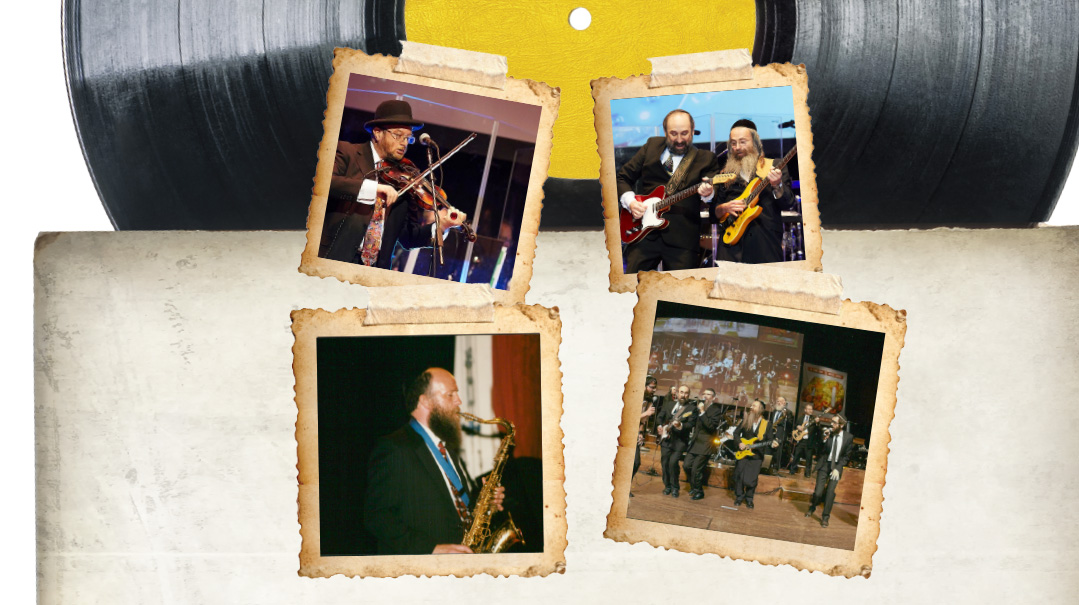
I showed this find to my older and wiser brother. What were they? Well, the jacket was called Yeshiva Melodies, but my brother informed me that these records played at a different speed than what our record player could play and needed an old machine. They were called “seventy-eights,” because they rotated at a speed of 78 revolutions per minute, instead of our 33 RPMs.
These records, it turns out, were the standards in the early 1900s. They were made out of shellac, were ten inches in diameter, and played just a few minutes on each side (that’s why each album had several records in the set). Until they were blown out of the market in the mid-1950s by the new, more durable 12-inch 33 RPM vinyl LP (“long play”) records.
My brother said he was pretty sure that if I searched diligently in the back of the closet, I’d find an old record player that would play it. Sure enough, I found it, we plugged it in, and we were amazed — we knew all those songs! Those were the tunes we sang in shul, at simchahs, and on Shabbos. Songs that have endured and are still popular today, such as “Kol Rinah,” “V’Karev Pezureinu,” “Baruch Hu, Elokeinu,” and “Utzu Eitzah” to name a few.
We know that Rav Meir Shapiro ztz”l composed “Utzu Eitzah” and Rav Ezriel Mandelbaum Hy”d composed “Lemikdasheich Tuv,” but who composed the other classics, such as “Yiboneh Hamikdash,” “Racheim Bechasdecha,” “Yevoreich Es Beis Yisrael,” and “Avinu Malkeinu” (the one we sing at the end of the tefillah)? I still don’t know the answer, and would be very happy to find out.
Create a free account to keep reading.