Why aren’t more couples willing to move out of town?
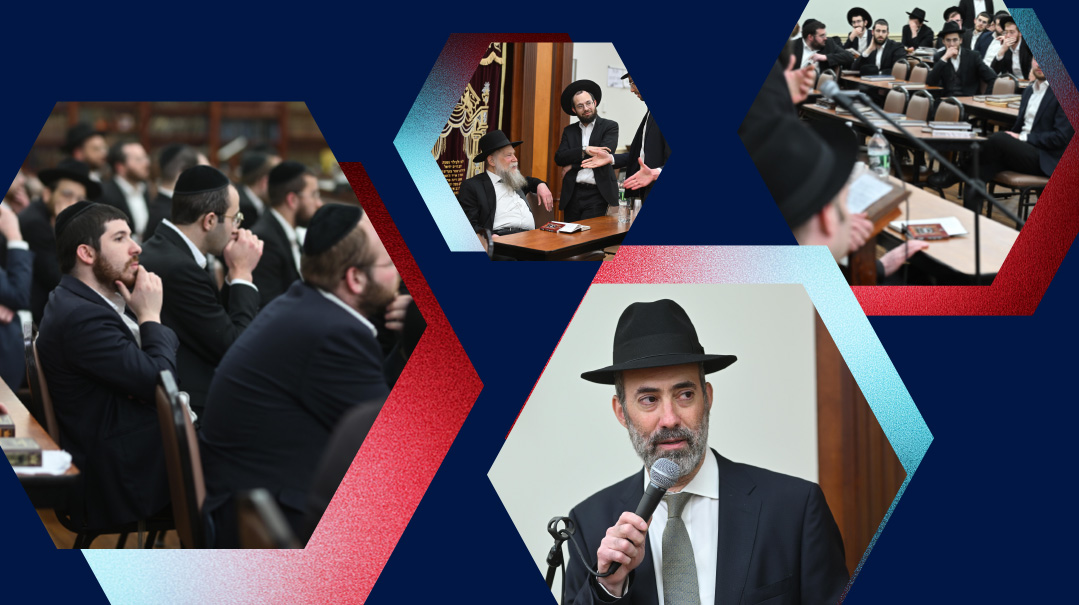
A few weeks ago, among the potpourri of flyers constantly circulating through Lakewood, advertising anything from a tzedakah parlor meeting to a new store’s grand opening, one sign raised eyebrows. Announcing an event at Beis Medrash Govoha (BMG) to promote awareness and information about out-of-town kollelim, at first glance, it seemed counterintuitive. Which successful institution actively prods its students to leave and build other ones? But to those familiar with Lakewood history, this isn’t a new trend so much as a deep-rooted idea from the days of Rav Shneur Kotler and Rav Nosson Wachtfogel, which is now in the spotlight again.
The event, which was attended by Rosh Yeshivah Rav Yisroel Neuman, and whose keynote address was delivered by the Paterson rosh yeshivah, Rav Elya Chaim Swerdloff, attracted singular interest. It garnered a staggering 8,000 listens on the Chayeinu phone line, with thousands more viewing it online — off-the-charts numbers for typical shiurim posted on these platforms. And this surge of interest wasn’t a fluke; a similar event was held last year featuring Rav Yehoshua Abba Busel, one of the most prominent roshei chaburah in BMG. While the vast majority of the yeshivah remains firmly rooted in Lakewood, the salience of these speakers — and the thousands who tuned in — suggests that more than just individual events, these evenings are indicative of a phenomenon, and a growing willingness to hear about life beyond the local borders.
A week and a half after the first evening, a follow-up event was held, featuring a panel of over 35 out-of-town yungeleit, all formerly from Lakewood, who had returned to their old stomping grounds to share their experiences and field questions. On the designated evening, the room was abuzz. Over 250 local yungeleit crowded the hall as Rav Henoch Shachar, rav of Beis Medrash Ohr Tuvia and a veteran community leader in Lakewood, addressed the crowd. He spoke about the importance of yungeleit identifying their individual tafkid and seizing it. Following the speech, the out-of-town “ambassadors” assembled for a Q&A panel.
When some yungeleit expressed their concern that moving out of town is a “life sentence,” the out-of-towners clarified that there is no expectation for families to remain in their new communities forever. While many communities aim to retain their yungeleit and integrate them into the community even after they leave kollel, no one is pressured to stay.
Create a free account to keep reading.