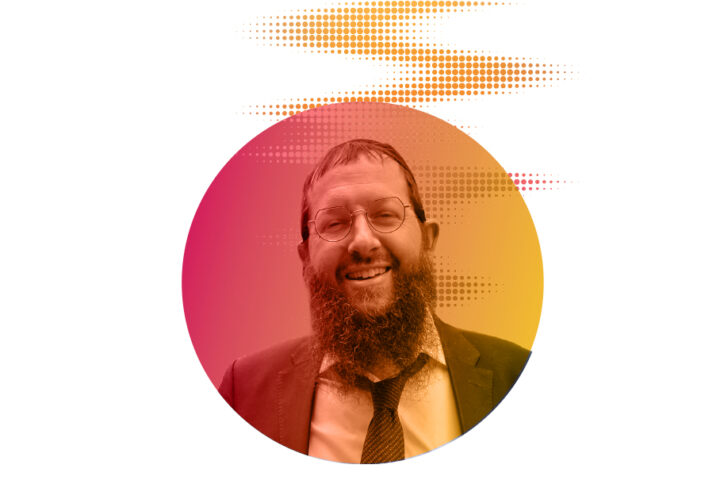
David Levyan is a well-known figure among Persian immigrants in Israel
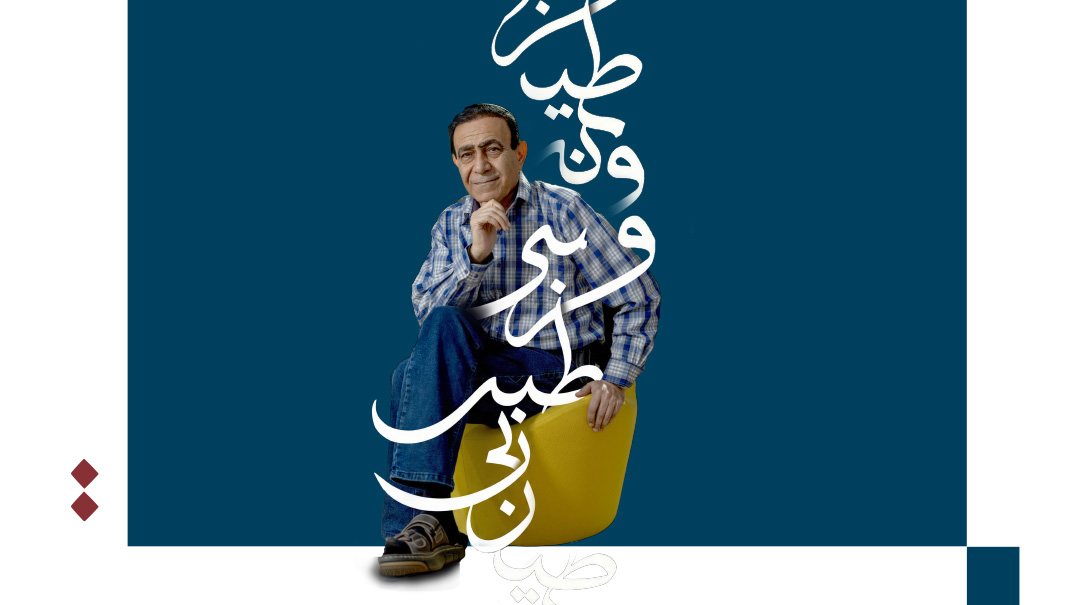
When David-Ardeshir Levyan watches the footage now — smoke over Tehran, crowds flooding the streets, young people burning the pictures of the mullahs and daring to shout what once meant prison or death — he doesn’t hide his tears. He’s seen protests before. He’s watched hope rise and be crushed. But this time, with the confirmed deaths of Ayatollah Khamenei and much of his top brass during the unprecedented US-aided Israel assault, he’s finally feeling personally vindicated.
David (Ardeshir is his Farsi name) Levyan is a well-known figure among Persian immigrants in Israel. He’s been broadcasting on “Radio Ran,” Israel’s Persian-language station, for years, hosting current affairs programs and speaking about virtually everything of interest to his listeners. Yet few know his personal history. His deep Persian accent and halting Hebrew hints at his origins, but he was never quick to share the saga of his life and the reason he’s so invested in finally seeing a regime change.
Levyan was born in Tehran in 1958 to a deeply rooted Jewish family. “My father, Khalil Levyan, owned a large printing house,” he says. “I grew up in a warm, loving home. The Jews of Tehran enjoyed a good life under the Shah’s rule, before the Revolution in 1979. We were proud Jews, happy in our Judaism, and we also loved Iran deeply.”
His father felt especially tied to the Land of Israel. “Every Independence Day, my father traveled from Tehran to Eretz Yisrael,” Levyan says, remembering the days when travel between the two countries was permitted. “Every single year. We were too young to join him, but it was sacred to him — to come and rejoice in the miracle of a Jewish state.”
Create a free account to keep reading.