What happens when classroom support for struggling students creates new problems?
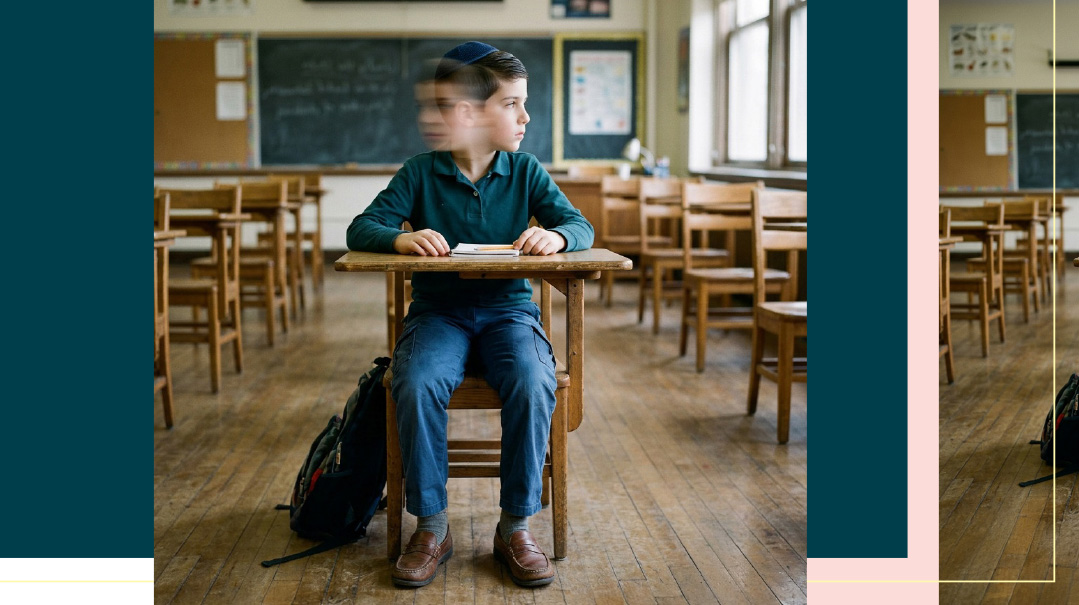
Chaim*, now age nine, started in a mainstream school. When he was diagnosed with ASD (autism spectrum disorder) in first grade, his school required Bina to enlist the services of a behavior tech, popularly known as a “para.” The para’s role was to support both the teacher and Chaim in the classroom, pulling him out if he became disruptive, and helping him keep pace with the class. She was supposed to be hands-on during recess and lunch, discreetly helping Chaim develop social skills.
It didn’t quite work out that way. “The para I received wasn’t getting any supervision, so there was no way it could be a successful arrangement,” Bina says. “And since he wasn’t getting the social or academic support he needed, he started unraveling.”
In the special ed field, paras are a touchy topic. Although they may be a lifesaver for some kids, many parents and educators question the entire system of “supporting” neurodivergent children with paras, who lack extensive education or training and who may not receive adequate supervision.
To complicate the situation, insurance companies have been cutting back on funding for them in recent years, especially in school settings. This leaves parents with two options: pay out of pocket for a para or transfer the child from a mainstream school to a special ed one.
Create a free account to keep reading.