Four decades with NASA taught Harvey Schabes that rocket science really means being true to yourself

Photos: S.Y. Mann, family archives
After spending 42 years as an engineer for NASA, Harvey Schabes not only navigated the most complex scientific systems of space travel and its offshoots, he also slogged his way through management battles, engineering crises, spacecraft disasters, and institutional inertia, realizing that sometimes, the hardest part of rocket science is being true to your values, ethics, and morals
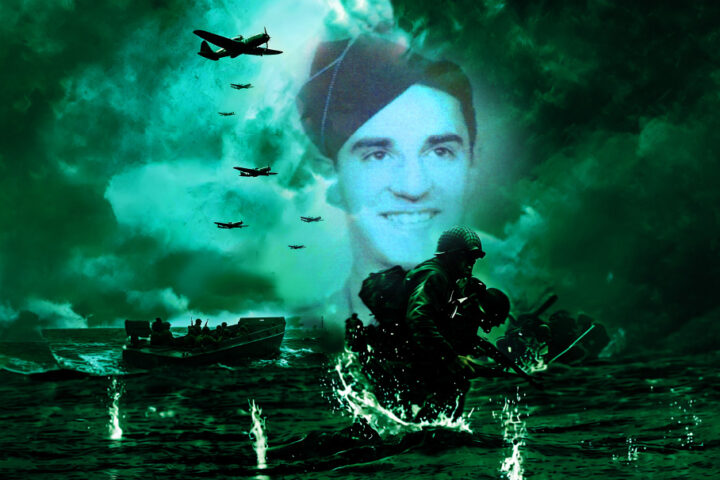
On the morning of January 28, 1986, the Space Shuttle Challenger rose into the Florida sky carrying seven astronauts. Seventy-three seconds later, it exploded.
Now-retired NASA engineer Harvey Schabes was not in Florida that day. He was in Las Vegas, attending a reliability conference with a group of NASA people, the kind of conference where engineers and managers gather to discuss how systems are supposed to survive stress, failure and the thousand small surprises that can separate a successful mission from a national catastrophe.
They were watching the launch live on television. Then the shuttle broke apart.
Create a free account to keep reading.