If you think a computerized model that can predict a revolution or an outbreak of violence is the stuff of science fiction think again. Kalev Leetaru’s computer program successfully predicted the Arab Spring uprisings and accurately pinpointed Osama Bin Laden’s final location. Next on the agenda: analyzing the 2012 US election and the chances of an Israeli military strike on Iran.
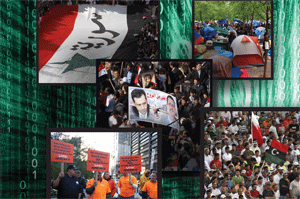
Emotions may have little correlation with computers but Kalev Leetaru’s model for forecasting future international political unrest is based on just that — an analysis of emotions in the global media. And that’s what makes it unique in the world of computer prediction.
Other computer models have been designed to predict human behavior and even political violence but only Leetaru’s “Nautilus” model analyzes emotions rather than facts. Leetaru a 30-year-old computer genius who founded his first web company while in the eighth grade notes that revolutions are usually caused by the population’s perception of the situation rather than the situation itself.
“Look at China” he says. “China doesn’t exactly have a great human rights record but we’re not seeing any signs of revolution there. The people aren’t complaining in large enough numbers yet.”
The Nautilus model named for the massive University of Tennessee supercomputer it utilizes is still in the developmental stages. It holds great potential not only for computer geniuses and prognosticators but also for governments that need to identify trends and patterns in domestic and international events among allies and enemies.
Create a free account to keep reading.