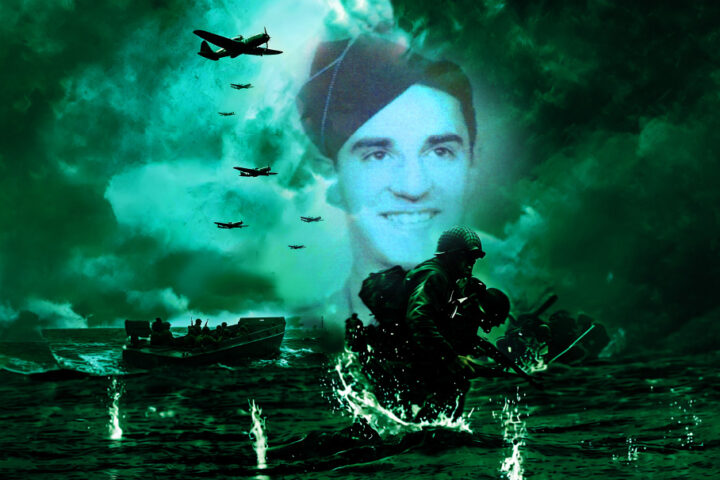
Six first-person accounts of recent wars our nation endured. All tell of suffering, of tears, of pain, yet at the same time, all tell of hope and belief in our ultimate redemption
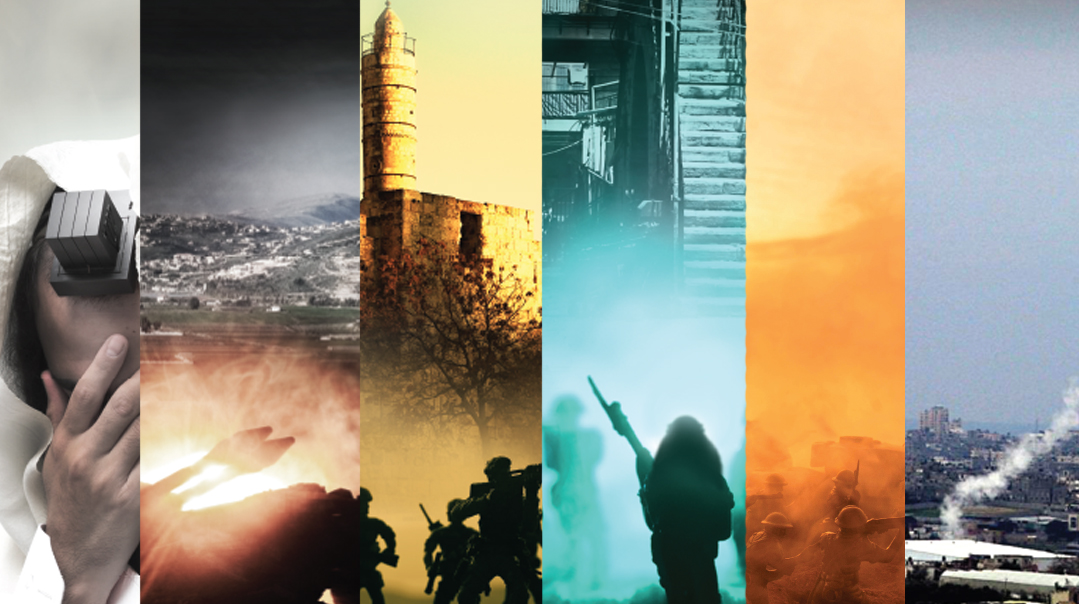
One of the Thirteen Principles of Faith codified by the Rambam declares that we believe Mashiach will come, no matter how long his arrival is delayed. A haunting tune created for the words of this Ani Maamin was composed by a Modzhitzer chassid, Reb Azriel David Fastag, on a cattle car rumbling its way to Treblinka. Some who survived that journey taught this tune to the world. The tune and its words embody our deep belief throughout the 2,000 years of our long, agonizing, and war-riddled exile that one day Mashiach will come and our pain will melt away. We’ve never stopped hoping, never stopped believing. Here are six first-person accounts of recent wars our nation endured. All tell of suffering, of tears, of pain, yet at the same time, all tell of hope and belief in our ultimate redemption.
Miriam Eshel
I
n 1943, the Nazis took control of Carpathian Ruthenia. Immediately, they set about confiscating all Jewish property and rounding up Jews into ghettos and, subsequently, death camps.
One day after Pesach, there was a knock at our door. Several SS officers barged into our home and instructed my mother to pack a bag weighing no more than one kilogram for each member of the household. “You stay at home with the baby,” they ordered her. “Your husband and eight other children are coming with us.”
After they left, my mother fainted from the shock. But she quickly came to and started bustling about. Within an hour the parcels were ready. She even remembered to pack toothbrushes and towels.
Create a free account to keep reading.