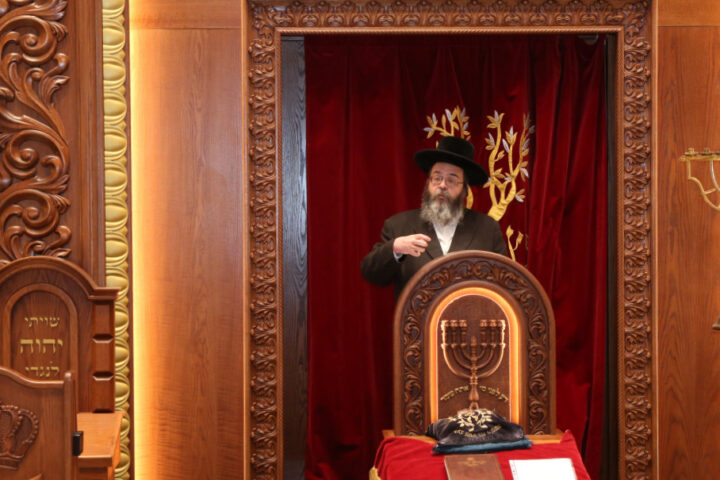
On trips to Poland, the next generation returns, remembers, and rebuilds. What do they find in tiny hamlets, forgotten cemeteries, and crematoria gone cold?
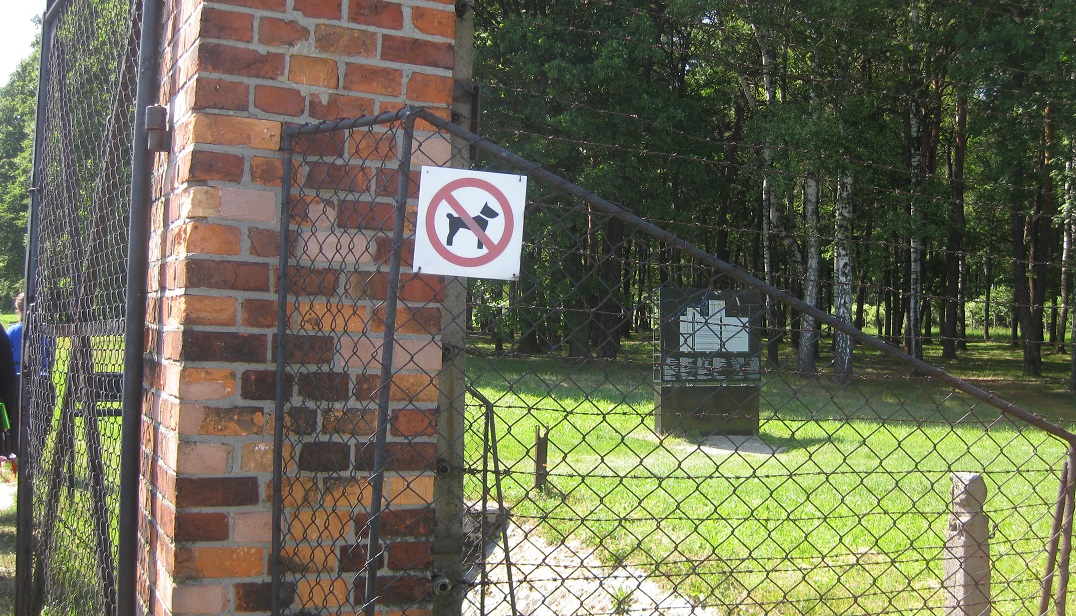
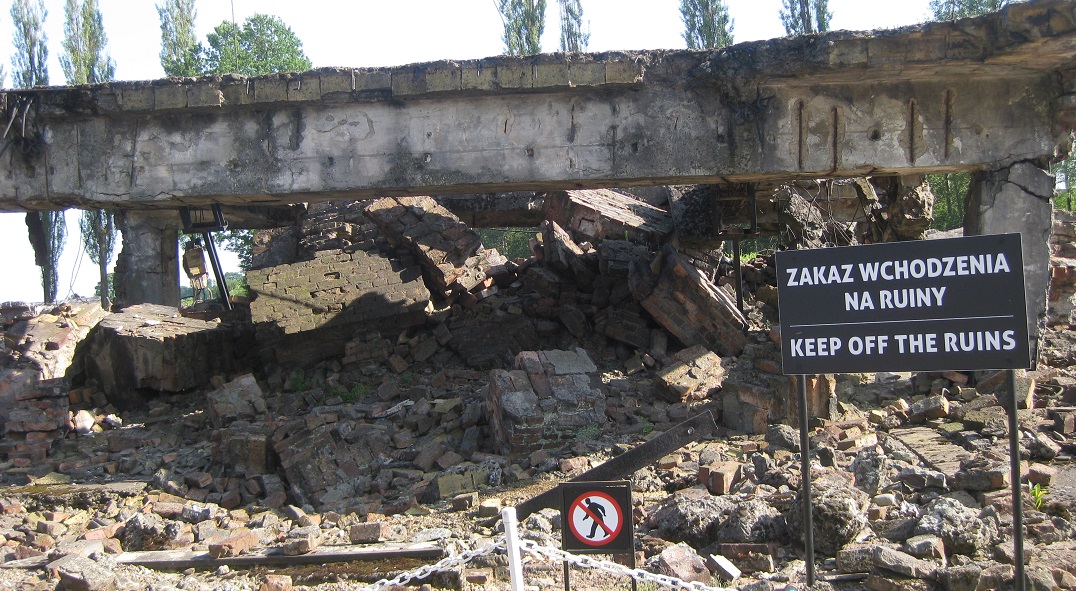
by Chaya Sara Oppenheim
Everything was gray when I landed in Warsaw, Poland. The sky was gray, the airport was gray, the tarmac was gray. I wasn’t surprised. I grew up listening to Holocaust stories, and my familiarity with the black-and-white photographs from the previous century had discolored my view of Eastern Europe.
I didn’t need to tell the officer at border control the reason for my visit; after seeing me, he already knew. For one week, I’d be traveling with about 60 other Bais Yaakov seminary girls on the Nesivos trip throughout Poland, visiting the places where our great-grandparents had lived before being brutally murdered by the Nazis.
Over the next few days, we traveled along the long and winding highways, through the cities and mountains and villages of Poland. Our first stop was the Warsaw Ghetto. Only a broken piece of wall and demarcations on the sidewalk outlining the ghetto’s circumference provided evidence that this was once an open-air prison incarcerating Jews.
The Warsaw cemetery we visited was a forest with more than 250, 000 individual gravestones and several roped-off mass graves, dug when those who starved to death in the ghetto outnumbered those who could bury them.
Create a free account to keep reading.