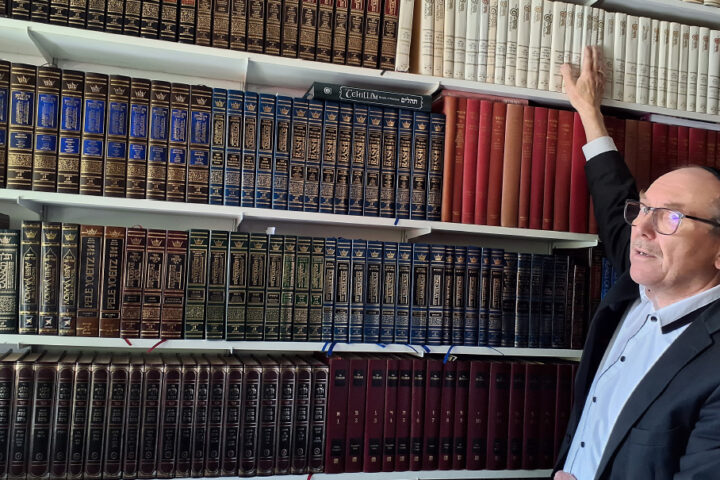
Rav Sholom Schwadron’s unrehearsed prayers became a staple of repentance
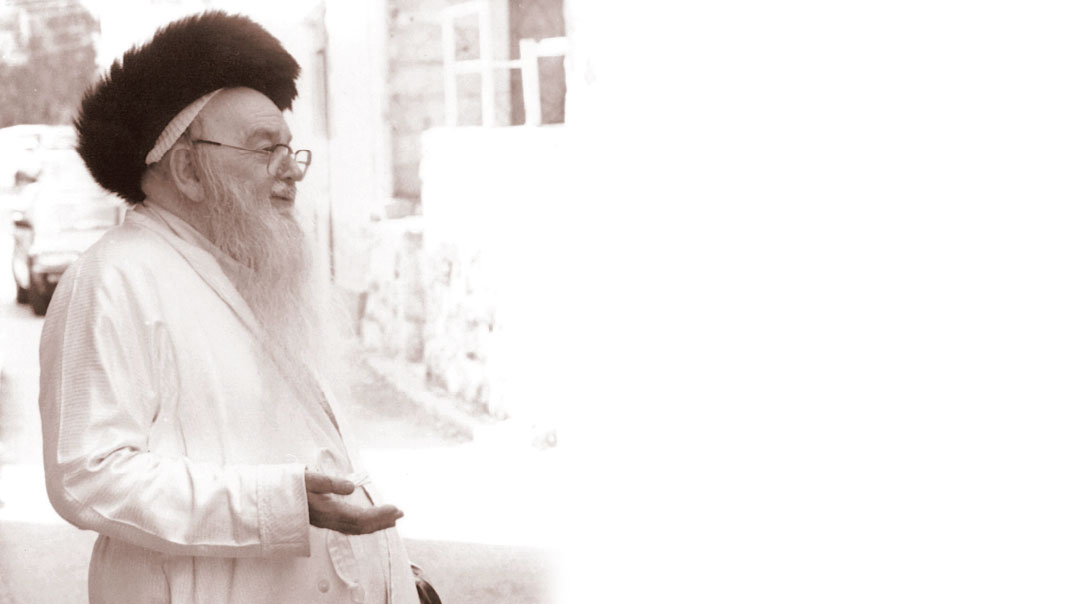
Photos: Mishpacha Archives
It was just 40 days after the massacre, the first night of Rosh Hashanah 5690 (1929).
The Chevron Yeshivah was in its temporary home on Rechov Haneviim in Jerusalem, a group of shattered survivors struggling to find strength to go on. Weeks earlier, Arab marauders had burst into the yeshivah in the city of Hebron and killed 24 people. In all, the slaughter claimed the lives of 67 Jews in the Chevron kehillah. The survivors were those who’d hidden under benches and in closets, and now, it was time for them to greet the new year.
It came time for Maariv and there was no baal tefillah, no one ready to stand before the amud and express the triumph and glory. The quiet in the hall added to the sense of melancholy and sorrow, each individual talmid lost in his own thoughts.
It didn’t feel like the Chevron-Slabodka yeshivah — its splendor and spirit were gone. They had lost friends, dear friends, seen blood spilled, heard the shouts of the murderers. It was too fresh, too raw. They were numb.
Create a free account to keep reading.