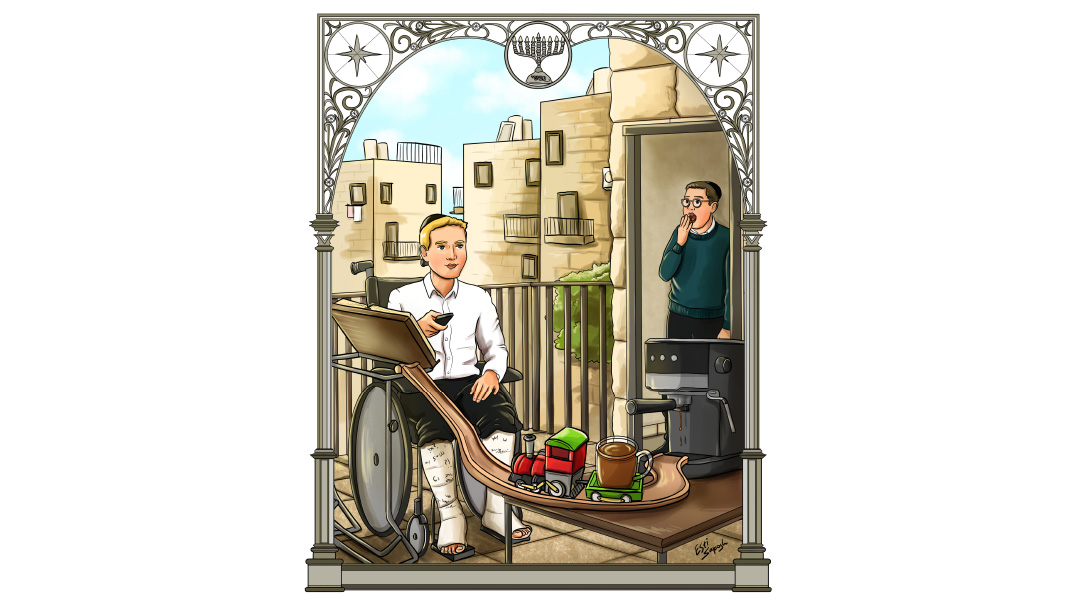
“When you have their attention and teach in a way that makes you, the rebbi, happy, it’s contagious, and you can connect with any student.”
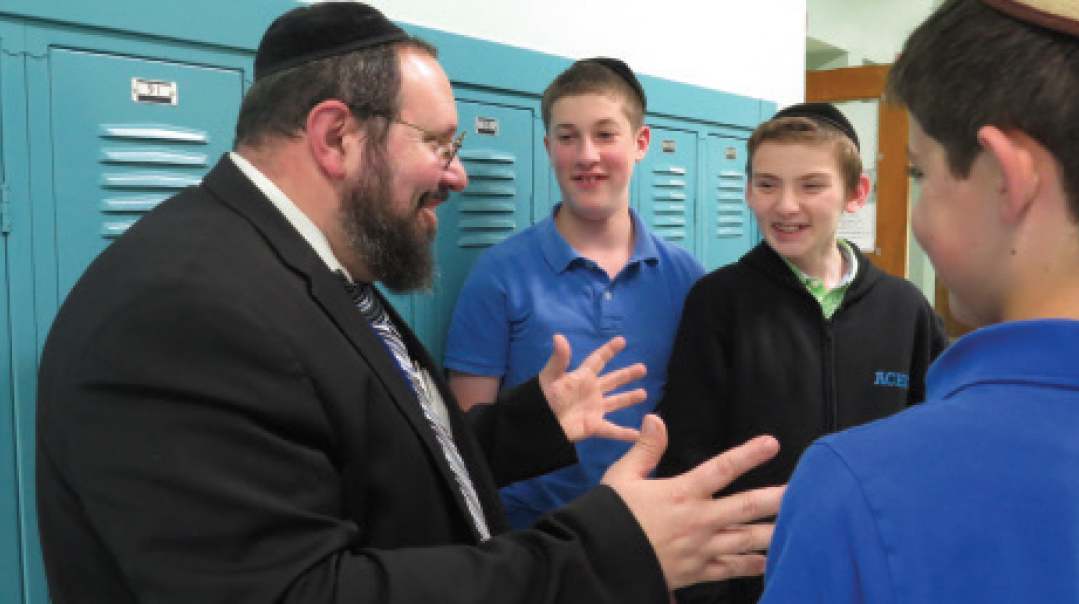
Ever since some long-ago math instructor put two stones together to teach addition, teachers have been using props and tools to help their students learn. Even today, in our age of digital communication and distance learning, any parent observing a child in a toy store knows that kids learn best by tactile interaction.
From a menahel in Far Rockaway who uses animal feet to teach kashrus, to a rebbi in Florida who shows his students how to separate the wheat from the chaff, meet chinuch innovators whose innovative approaches are making learning come alive.
Ten years ago, when a friend at shul struggled to understand a gemara sugya on money, he jokingly asked Rabbi Yosef Cohen to come up with a system to teach the differences between a pruta and a sela. “He asked me, ‘What would be if we minted thousands of coins and everything was bought and sold this way? Instead of selling a can of Coke for a dollar, what if we sold them for prutas?’ ”
“To be sure, the biggest talmidei chachamim have a hard time with these masechtas, because practically, we don’t use that monetary system,” Rabbi Cohen explains. “But I didn’t realize how a small comment would revolutionize a city’s curriculum.”
Create a free account to keep reading.