At the mention of the name Soloff, Rabbi Schwab leapt to his feet
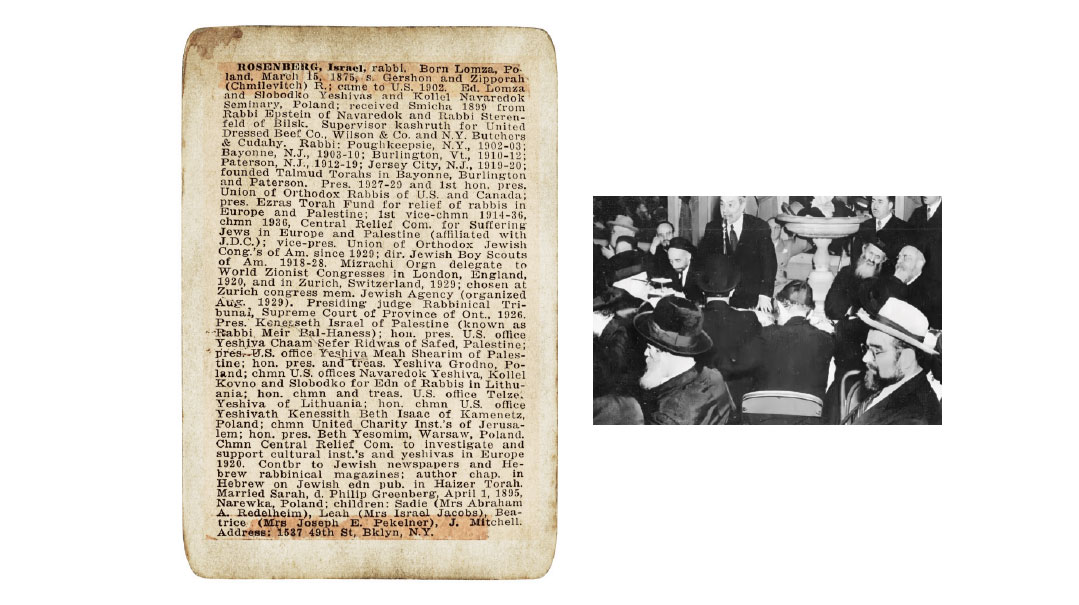
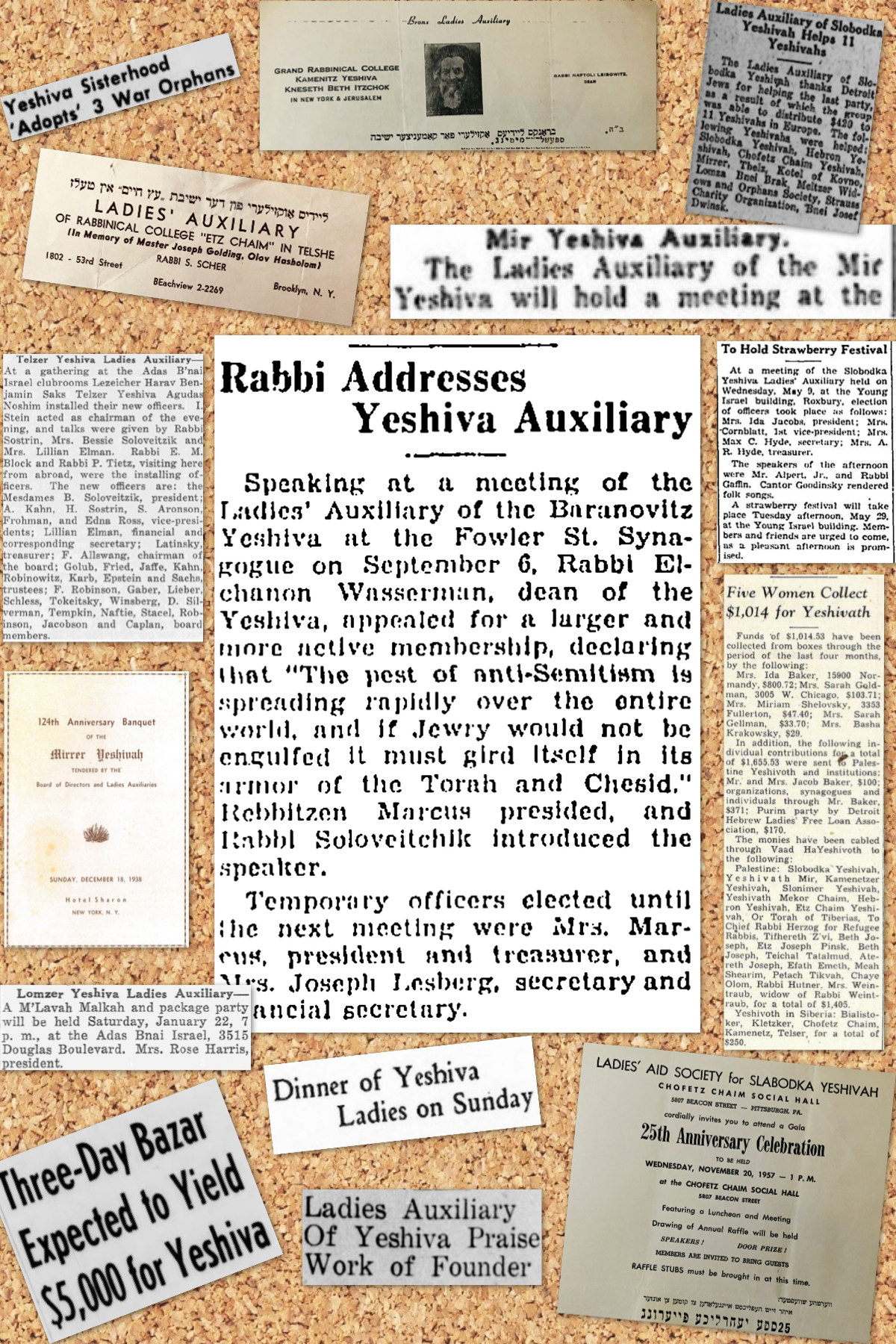
AT A TIME WHEN YESHIVOS were struggling to stay afloat, a new source of sustenance emerged for these venerated institutions and their embattled emissaries. In the interwar period, determined women in cities across America formed auxiliary groups and organized sisterhoods, which initiated creative fundraisers to support the valued Torah institutions. These groups were organized primarily at the grassroots level and were entirely a voluntary endeavor.
Kletzk, Slabodka, Mir, Telshe, Lomza, Baranovich, Radin, and many others benefited greatly from these efforts. Roshei yeshivah would write them regular letters of support that extolled their holy work, personal letters of gratitude for their contributions and fundraising efforts, and even addressed the groups in person during their visits to America.
The contrast couldn’t be more striking. In Nuremberg the annual Nazi party rally was in full swing, with Adolf Hitler presiding over hundreds of thousands of supporters. On the other side of the Atlantic, Rav Elchonon Wasserman was in Boston addressing a gathering of the local chapter of the Ladies Auxiliary of the Baranovich Yeshivah. Following an introduction by Rabbi Joseph B. Soloveitchik, Rav Elchonon reminded the women how Torah and chesed served as a protection against the looming dangers engulfing the world, and begged them to expand their efforts on behalf of the yeshivah.
Several years before the passing of Rabbi Mordechai Schwab, a young housewife had the opportunity to visit this venerable tzaddik in his Monsey home.
Create a free account to keep reading.