Farming is a risky business. Crops can be deluged by a torrential downpour, devoured by locusts, or dried on the vine. So what do Israeli farmers stand to gain by laying down their plowshares for an entire year?
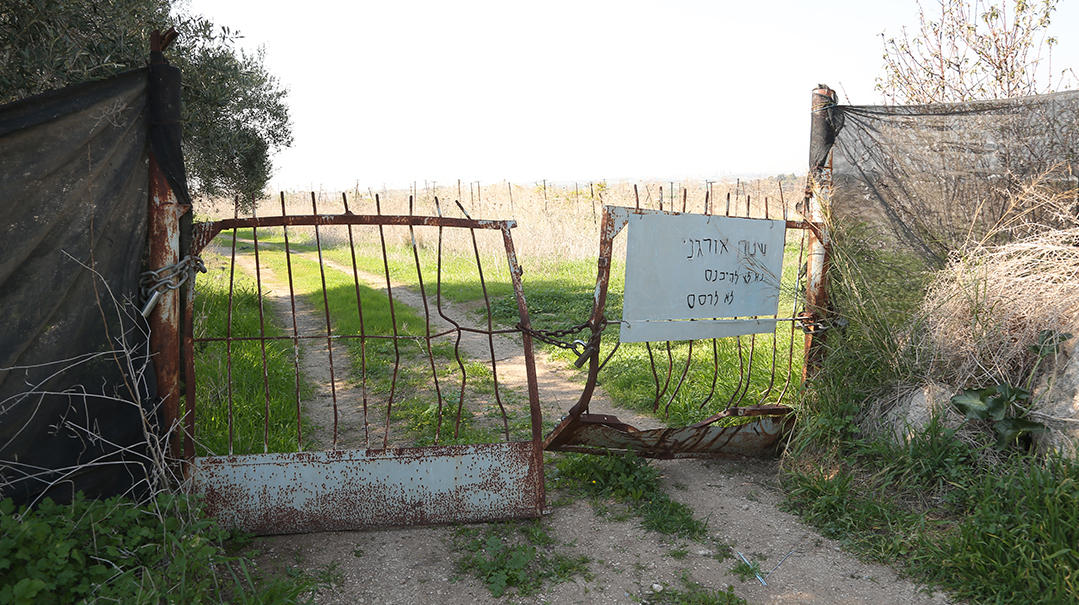
Photograghy by Avidan Avraham
While many farmers plan a sabbatical next year, the odometer on Rabbi Shlomo Ranaan’s roadworthy Toyota spins on overdrive.
He easily logs 50,000 kilometers (31,000 miles) a year on Israel’s winding, and sometimes treacherous rural roads, determined to be a driving force behind the growing trend of more Israeli farmers, including many nonreligious ones, who observe shemittah — the once-in-seven-year mitzvah to let one’s land lie fallow.
To advance his goal, Rabbi Raanan, head of Ayelet Hashachar, has taken on some 20 avreichim to train more than 600 farmers, including some from the most hard-core chiloni towns, where interest in religion is as rare as a summer rain shower.
“These farmers have a deep, and sensitive relationship with their land,” says Rabbi Raanan, who began working with farmers before the previous shemittah seven years ago. “But what always impresses me is that once they make their decision, they observe it with humility and responsibility, while knowing what it will take to avoid succumbing to temptation.”
Create a free account to keep reading.