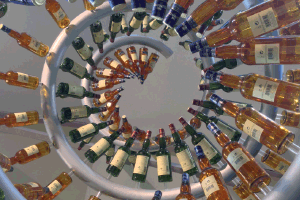
Don’t think that our jaunt to Scotland — the whisky capital of the world — was just a pleasure trip. We were actually on a mitzvah-related mission. Before Purim we wanted to fact-find about which whisky would fulfill the mitzvah of simchas Yom Tov with the greatest possible hiddur. (Our conclusion: any golden-hued liquid that has spent enough years in a barrel.) But we also wanted to know whether it is indeed acceptable to purchase whisky without investigating its kashrus as is practiced de facto by so many in our community. In Scotland the natives treat whisky with the same intensity that Israelis show for hummus. (They’re also particular about the spelling: if it’s made in Scotland it’s spelled without the E.) A thousand years of whisky manufacturing has turned Scotland into the only place in the world where an official at passport control upon hearing that you’ve come to tour the distilleries will smile and reply “I recommend Macallen.” The Scots are a people blessed with immense patience who take anything related to their drinking habits with the greatest of seriousness. And they know how to wait it out on their long-term investments — the whisky going into a barrel today won’t come out for at least 12 years (and maybe 40 or more). In Israel a country of notoriously short attention spans try to find a businessman who would invest in merchandise that will just begin to serve his grandchildren.
To read the rest of this story please buy this issue of Mishpacha or sign up for a weekly subscription