Two years later, those Covid-inspired kabbalos and resolutions are still keeping us going.Eight personal accounts
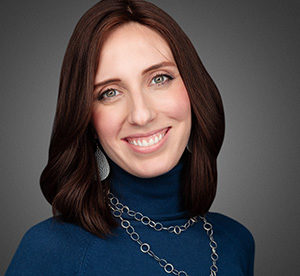
Esther Kurtz
Covid didn’t drown me, though it lessened my lung capacity. Meron, Stolin, and Surfside is when the riptide dragged me in — and every successive event pulled me further from the shore.
I’d been here before, and if you’re in your thirties or older, you’ve likely been here, too. Because how long can one go through life without being properly challenged? But the waves were never this high nor this choppy, and I’d never been so far out — with no sure footing or a buoy to cling to. It’s scary, gulping salt water with no rescue in sight. But I’d gotten through this before, and I’d do it again — though the night felt darker, and it looked like another storm was coming.
In previous crises, I’d built my spiritual muscles. The seeds were planted in 12th grade, when my navi teacher introduced me to Rabbi Akiva Tatz’s Living Inspired. Until then, I was a teen sleeping through the system, literally and figuratively; she gave me the book as an alternative curriculum because I slept through her class. And, clichéd as it sounds, it woke something in me, particularly Rabbi Tatz’s concept of how the world and experiences work in cycles of the same patterns: inspiration, despair, work, then finally achievement. Seeing this cycle in multiple historical contexts and seeing it in my own life gave me grounding — and it still does, because once I identify where I am in the cycle, I can recalibrate. Any time I feel low and disconnected, I revisit Rabbi Tatz’s book — I do chazarah, I dive deeper.
This year, while treading water and losing hope, I knew where I could seek solace and find answers. In the summer, I emailed Rabbi Tatz, a long and desperate email (you have to be desperate when you start emailing strangers) with many questions, asking for direction. He responded kindly, told me which seforim had insight — and this lifeline was long enough to pull me to shore.
Create a free account to keep reading.