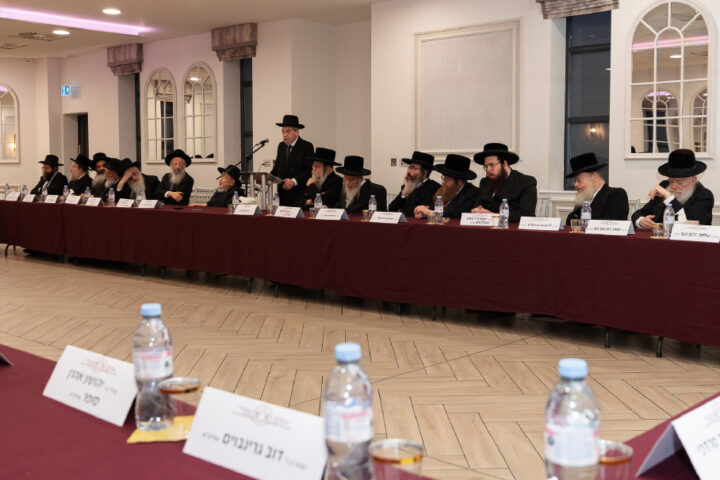
Venerable individuals still among us share their recollections of personal encounters with yesteryear's giants
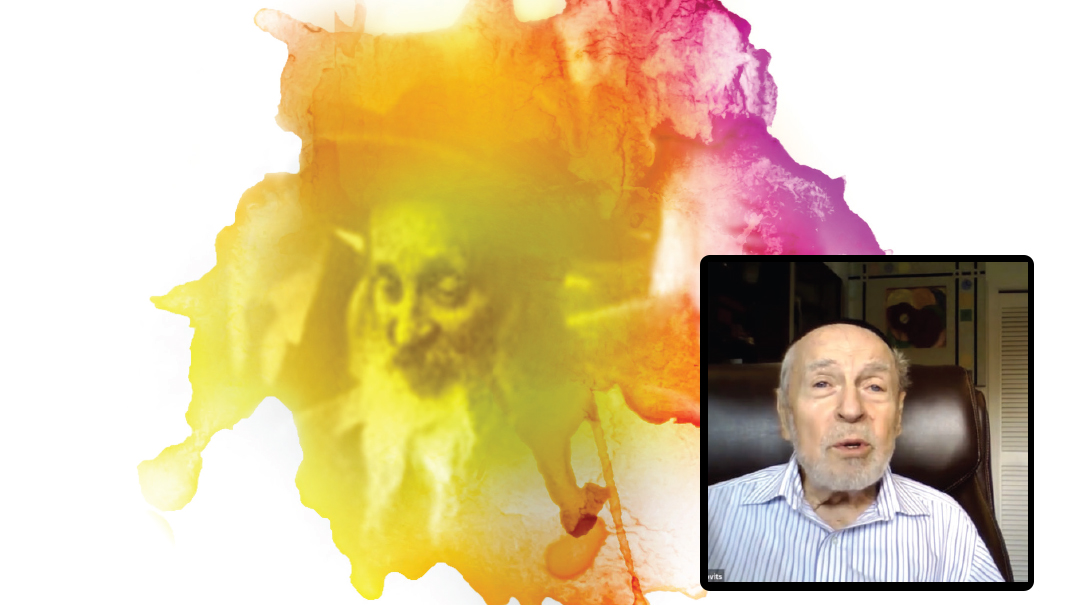
Boca Raton, Florida
Born into one of the most prestigious rabbinic-chassidic families in the Transylvania region of Romania, Mordechai Judovitz’s childhood in the town of Dej was rich with numerous encounters with many of the greatest leaders of Hungarian Jewry. Descended from Rav Yechezkel Paneth — the Mareh Yechezkel, founder of the Dej chassidic dynasty — young Mordechai recalls davening in the local cemetery at the ohel of his great-grandfather Rav Mendele Paneth and grandfather Rav Moshe Paneth on their respective yahrtzeits. Yet this was no ordinary cemetery. It had once been the incongruous site of a ceremony known as a “Black Wedding.”
Years earlier, in 1919, the Spanish flu was devastating the world. During the height of the epidemic, Mordechai’s uncle Rav Yechezkel Paneth, the Knesses Yechezkel of Dej, reminded the community of an ancient segulah — the “Black Wedding.”
A destitute couple, engaged to be married but unable to afford the expenses of their own wedding, was chosen. Then the entire town was instructed to contribute to the costs. On the date of the celebration, they all gathered for a solemn ceremony at the edge of the local cemetery, where there were no graves. The couple was showered with gifts and married by the Knesses Yechezkel who then announced: “In the merit of this holy wedding, Hashem should consider it a worthy undertaking to shield the entire community against all illness and misfortune.” And so it was.
Later, young Mordechai purchased candy at a small stand outside the local chassidishe shul from the same celebrated couple. Another sweet childhood memory was the singing in the “Groisseh Shul” of the town, which boasted a chazzan and choir. “My brother was in the choir. I wasn’t good enough. But the niggun they sang for Unesaneh Tokef rings in my ears until today.”
Create a free account to keep reading.