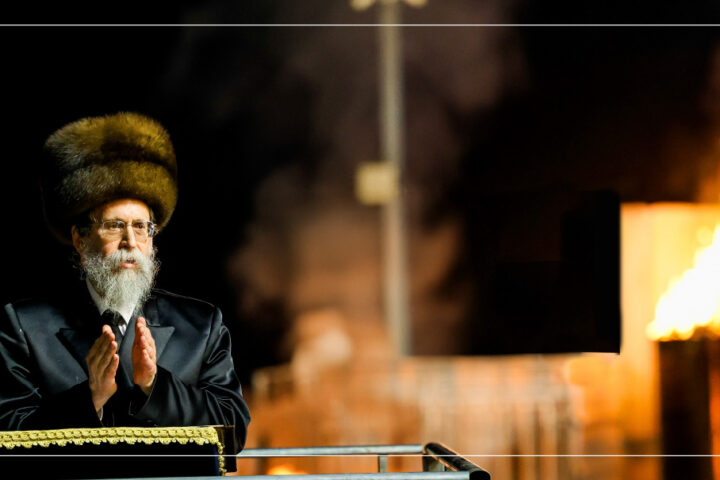
Who gains and who loses in the era of the instant askan?Four experts offer their assessments and their recommendations for fixing the problems

Now those simple arrangements have frayed, boundaries have become blurred, and unified interests have given way to competing objectives, with self-appointed community spokesmen working at cross purposes. That chaos has been exacerbated by social media. Adversaries outside the community have recognized the discord and seek to exploit it.
A panel of four experts offer their assessments of the environment and their recommendations for fixing the problems
It was an all-time low.
Last month, a hachnassas sefer Torah ceremony — the most beautiful of events — turned ugly. A veteran askan, the usual liaison, turned to the police for help, as he so often had, asking them to close off a few roads for the procession. But the police, still unsure about COVID protocols, refused and made a counter-offer for a smaller ceremony.
The askan explained some of the sensitivities involved and asked them to reconsider. After all, they knew him. He’d come around to their holiday parties over the years and brought them large trays of latkes. He’d arranged communal sreifas chometz, and, after a horrible anti-Semitic attack in a neighboring community, he’d accompanied the police chief to a meeting with rabbanim.
Create a free account to keep reading.