Why can't we keep jetliners safe from flying flocks?
The wreckage is hard to look at.
Smoking piles of twisted metal litter the crash site. The rudder section of a once-proud jetliner, flipped on its back, yawns toward the sky like a whale tail breaking the waves in search of air. In a moment, 179 lives were snuffed out on this spot.
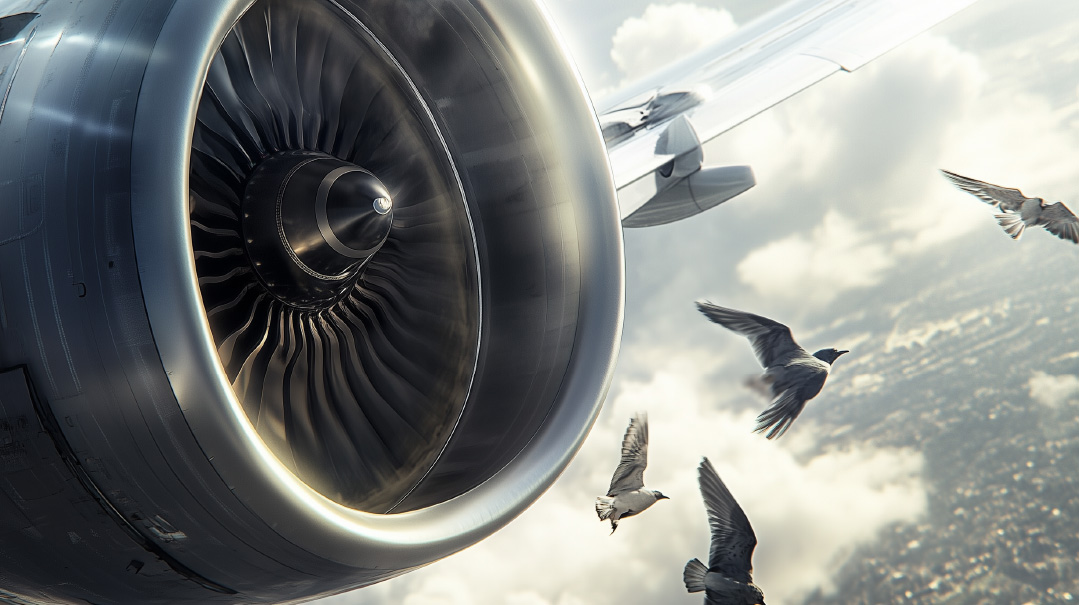
Five aviation incidents over four days during the holiday travel week have shattered global confidence in the safety of air travel. Significantly, bird strikes were implicated in at least two — possibly more — of the accidents. The pilot of Jeju Flight 7C2216 reported hitting a bird just before apparently losing control, precipitating the tragic accident in South Korea on December 29.
On March 10, 2019, a Boeing 737 airliner crashed shortly after takeoff from Addis Ababa Bole International Airport, Ethiopia, killing all 157 people aboard. The US National Transportation Safety Board found that a bird strike was a key factor in the crash.
Are man’s mighty machines at the mercy of mere birds? Why haven’t we figured out how to keep planes safe from flying flocks? Mishpacha spoke with the senior superintendent of aircraft maintenance at McGuire Air Force Base, New Jersey, to better understand the menace of bird strikes.
Create a free account to keep reading.