The issue of joy at the downfall of enemies is obviously a subtle and complex one

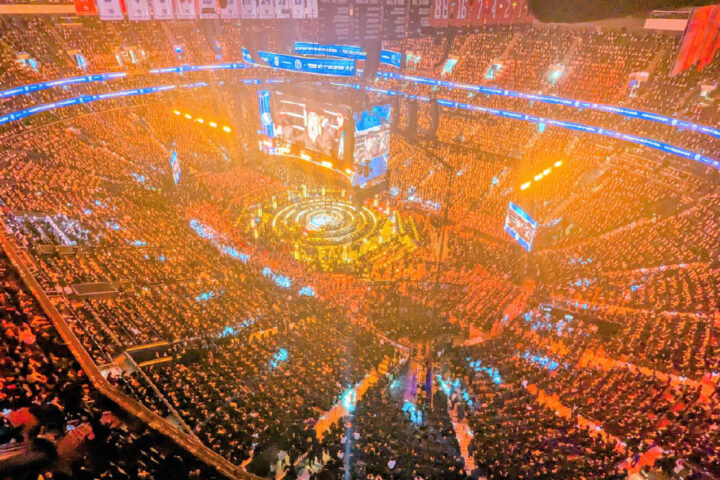
Why not ? Was I not overjoyed that the evil architect of October 7 was no more? Of course I was. Did I disapprove of the dancing? Not at all: It was quite natural. Nevertheless, I had a lingering sense of unease about it. And in all honesty, I’m not sure precisely why.
Was it because King Solomon in his Mishlei 24:17 writes, binefol oyivcha al tismach — when thine enemy falls, do not rejoice….?” No, it was more than that, especially since many commentaries say that he is referring to evil Jewish enemies, and not to heathens.
Was it because in Mishlei 11:10 he declares “Ba’avod reshaim rinah — with the destruction of the wicked [there is] rinah?” Rinah might mean rejoicing or song, but there is no mention here of dancing with joy.
I kept searching for some support for my reaction. Megillas Esther explicitly says that after the demise of an earlier archenemy, Haman and his cohorts, “Layehudim haysa orah vesimchah — The Jews of Persia were filled with simchah.” The verse refers to various manifestations of joy, but neither song nor dance is among them.
Create a free account to keep reading.