Since 1993, he has coordinated periodic AJC ministerial meetings throughout the Middle East, North Africa, Europe, and Asia
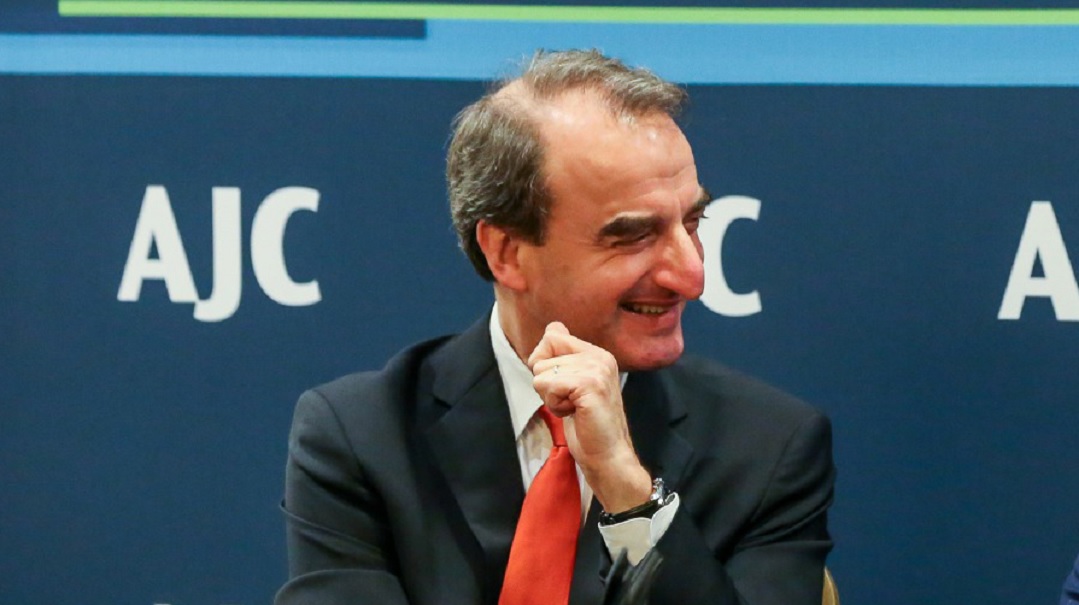
Along the way, there has been much “track II diplomacy” — back-channel efforts by unofficial actors to advance the cause of Israel-Arab peace. One of those working in that capacity has been Jason Isaacson, chief policy and political affairs officer at the American Jewish Committee (AJC). He began as an observer to the 1991-92 Middle East peace talks in Madrid, Moscow, and Washington. Since 1993, he has coordinated periodic AJC ministerial meetings throughout the Middle East, North Africa, Europe, and Asia, often spearheading visits that were the first by an American Jewish civic organization.
Isaacson’s engagement with the North Africa region led, in July 2009, to King Mohammed VI bestowing on him the honor of Chevalier of the Order of the Throne of the Kingdom of Morocco — a connection that gives him a valuable perspective on the changes unfolding today.
What I do recall traveling in the 90s after the Oslo Accords is seeing pretty much every day on the front page of newspapers in the Gulf stories, headlines and reporting on the latest atrocities as they saw it by Israeli soldiers and police brutalizing Palestinians. This was a daily fare in these countries. And even if one could talk to political figures, government officials, or people in think tanks and not hear the same obsession with the Israeli-Palestinian conflict, the daily diet of the public was full of propaganda against Israel. That has changed dramatically. It’s now rare to find such stories as opposed to that everyday occurrence.
There are several factors for that. I think that leaders in many Arab countries are getting impatient and frustrated with the Palestinian leadership: openly, at least in private conversations, contemptuous of Palestinian leadership’s corruption and political fecklessness; feeling that this leadership is holding back not only the Palestinians’ own legitimate aspirations for political enfranchisement, for justice, but holding back the region — and they resent it.
Create a free account to keep reading.