Rav Meir Shapiro dreamed of an institution that would change the definition of what a yeshivah could and should be... A century later, the changes he instituted are alive and thriving
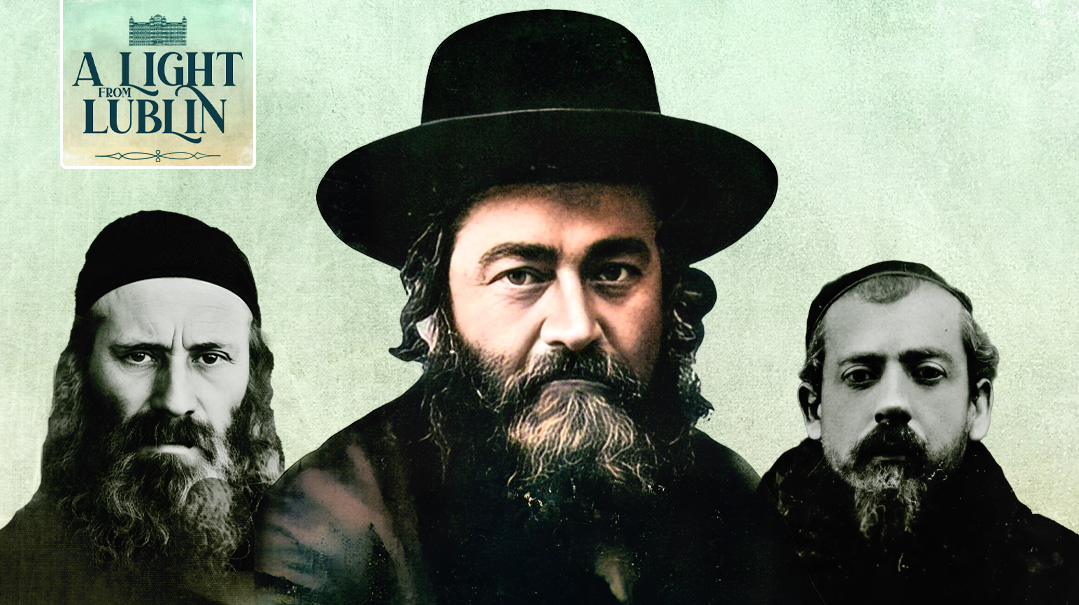
Photos: Kiddush Hashem Archives, Grodzka Gate – NN Theater (Lublin), Yad Vashem, Ghetto Fighters Museum, Rabbi Avraham Frischman, Rabbi Dovid Kamenetsky, DMS Yeshiva Archives, Rabbi Dovid A. Mandelbaum, Walkin Family Machon Meir L’Doros (A. Rotenberg), Piotr Nazaruk, The Museum at Yeshivat Chachmei Lublin, Prof. Moses Schorr Foundation, US Holocaust Museum, Yoeli Hirsch
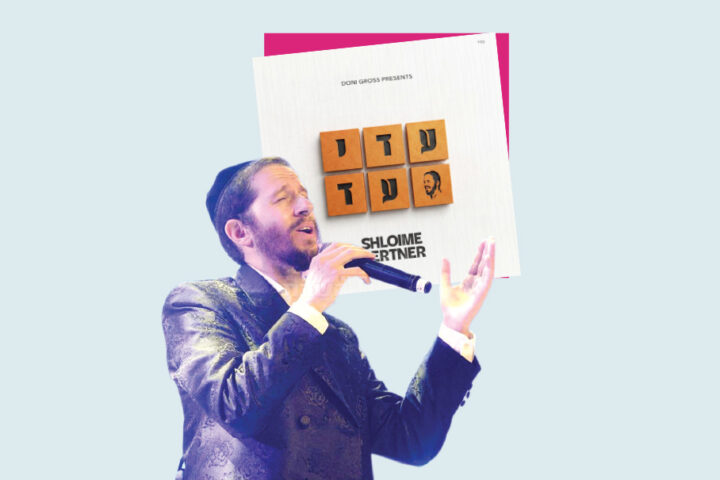
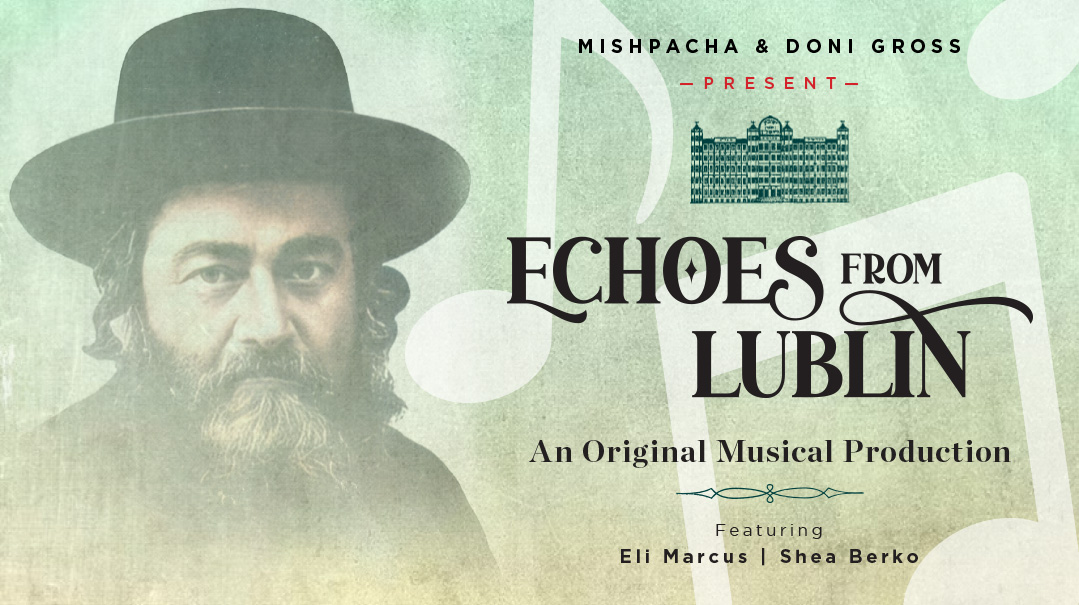
LISTEN to a selection of Rav Meir Shapiros compositions HERE
IN a small town outside Philadelphia, a crowd of Jews gathered at a reception held in honor of a visiting Polish rabbi. They were eager to hear the charismatic orator talk of his groundbreaking initiative to construct a massive five-story building in the heart of the Second Polish Republic. More than a mere building, it would serve as a “Central Yeshivah,” an elite institution that would transform the landscape of Torah study in Eastern Europe.
The chairman commenced his introductory remarks, describing the many accomplishments and talents of the dynamic young rabbi from Poland: just months shy of his fourtieth birthday, he was already serving in his third rabbinic position while simultaneously nearing the end of a five-year term as a delegate to the Polish Sejm. The chairman proceeded to introduce Rav Meir Shapiro as the headmaster of a school serving “hundreds of young Jewish girls.”
Create a free account to keep reading.