How Rav Yehuda Heschel Levenberg sowed the seeds of advanced Torah study in America
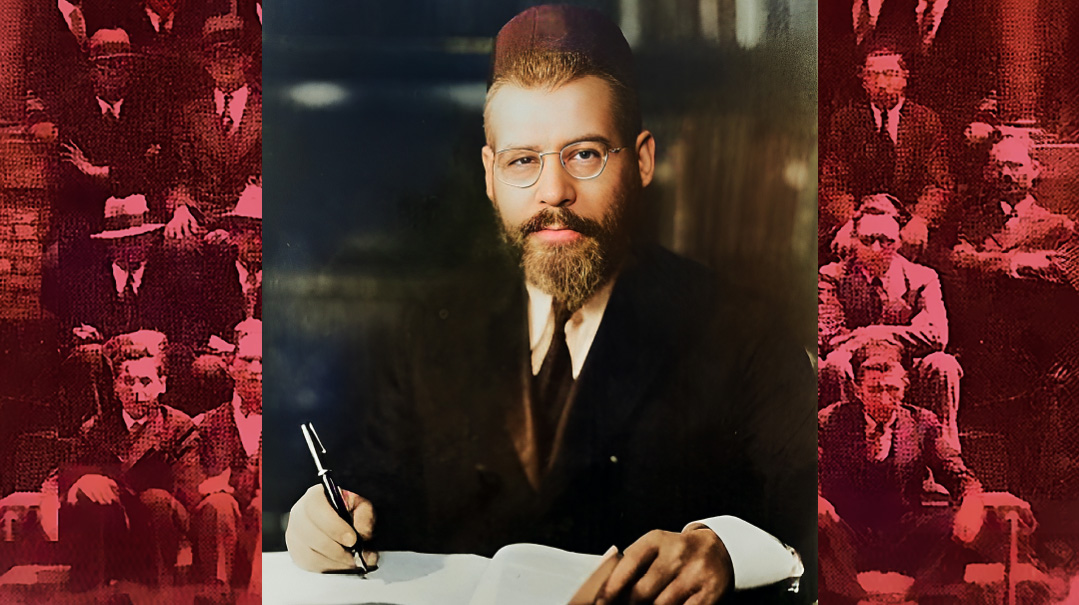
Photo Credits: YIVO, JDC Archives, Yeshiva University Archives, Machon Avodas Levi, Levenberg Family, Neuberger Family, Feivel Schneider, Pini Dunner, University of Texas-Austin Archives, Gordon Family, Walkin Family, The Jewish Historical Society of Greater New Haven
When Slabodka student Rav Yehuda Heschel Levenberg arrived in prewar America, his vision for a European-style mussar yeshivah was deemed foreign and unrealistic. Yet he marshaled the support and enthusiasm to open a unique institution on American shores, where students pursued the heights of Torah knowledge along with lofty character development.
He managed to lead his New Haven yeshivah for just a short, tumultuous period — but it left an outsized footprint on the postwar Torah world to come. Like the biblical Yehudah, Rav Yudel Levenberg traveled to a new, strange land ahead of his brothers, to build a yeshivah for the future arrivals. His yeshivah is no longer, but he will forever be counted as a founding father of America’s Torah world.
The summer of 1937 was a turning point for two young Montreal-bred yeshivah bochurim, Nosson Wachtfogel (1910-1998) and Shmuel Schechter (1915-2000). After several years of learning at the Mir Yeshivah in Poland, they had returned home at the behest of their parents, following the passing of the illustrious Rav Yerucham Levovitz (1875-1936). They had agreed that this respite would be a short one — soon they would return to Europe, to the great citadel of mussar in Kelm.
Create a free account to keep reading.