Now more than ever, Rabbi Aryeh Kaplan's writings inspire a new generation
Photos: Family archives
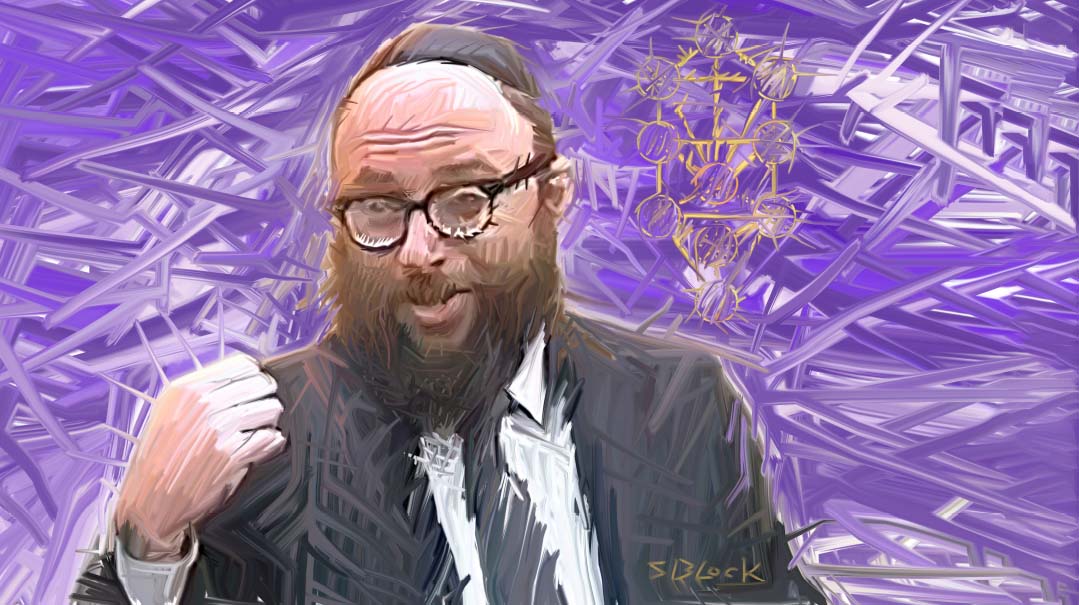
Illustration: Digitally painted by Ilan Block
It was the fall of 1972, and Rabbi Pinchas Stolper, national director of the National Council of Synagogue Youth (NCSY), the Orthodox Union’s youth outreach organization, was grappling with a dilemma: How to create Torah-oriented reading material in clear, contemporary language that would speak to the hearts and minds of unaffiliated Jewish teens.
Perusing the latest issue of Intercom, the journal of the Association of Orthodox Jewish Scientists, Rabbi Stolper noticed an article by one Leonard Kaplan entitled “On Immortality and the Soul.” It sounded esoteric, but as he read on, he was taken aback by the author’s rare talent for explaining a complex, arcane topic in the most readable English imaginable. He was equally impressed by the mastery of Torah sources evident in the article’s seven pages and thirty-five footnotes.
“I had no idea who he was. I had never heard of him,” Rabbi Stolper later recalled. “The article hit me like lightning. I remember pacing the floor, saying ‘I must call this man.’ It was well past 11 p.m., and my wife said, ‘What are you doing?’ ‘I’m calling this Kaplan.’ ‘Now, in the middle of the night?!’ But I called and he answered. I told him I wanted to meet for lunch to discuss a series of small books on Jewish topics, starting with Tefillin. ‘Kids get them when they’re bar mitzvah and discard them,’ I said. ‘Maybe if they understood the significance, it would be different.’”
Create a free account to keep reading.