The seeming dichotomy of the day is not really a duality at all; the two aspects represent flip sides of the same coin
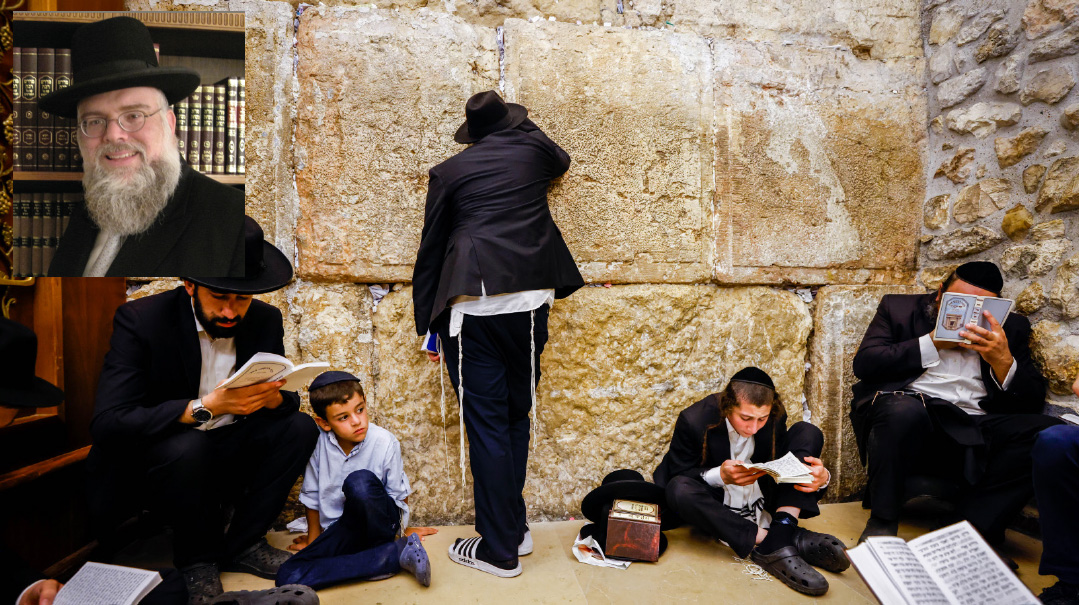
AN experience that took place over 30 years ago haunts me every year when we enter the period of bein hameitzarim, more commonly known as The Three Weeks.
There was a weekly minyan held in my neighborhood’s Bais Yaakov school building, specifically for Russian Jews, led by Rabbi Hillel Belsky shlita. Many of the attendees were sadly ignorant of their precious heritage but held on to their Jewish identity with great pride. They even protested that the divrei Torah shared before Mussaf should not be translated into Russian out of concern for chillul beis knesses.
One summer Shabbos afternoon, we hosted one of the couples that frequently attended the minyan, and the conversation turned to Tishah B’Av. As I prepared to explain its significance, one of the guests told me that he had indeed heard of it. He said that in Russia, they had visited the cemetery every year on that day, although he didn’t understand why.
I was moved. The Communists had almost succeeded in eradicating any vestige of religion from our people, but thankfully not completely. Even in the wasteland of the Soviet Union, Yidden knew about Tishah B’Av and felt the need to acknowledge it.
Create a free account to keep reading.