So which of these endorsements matters most?
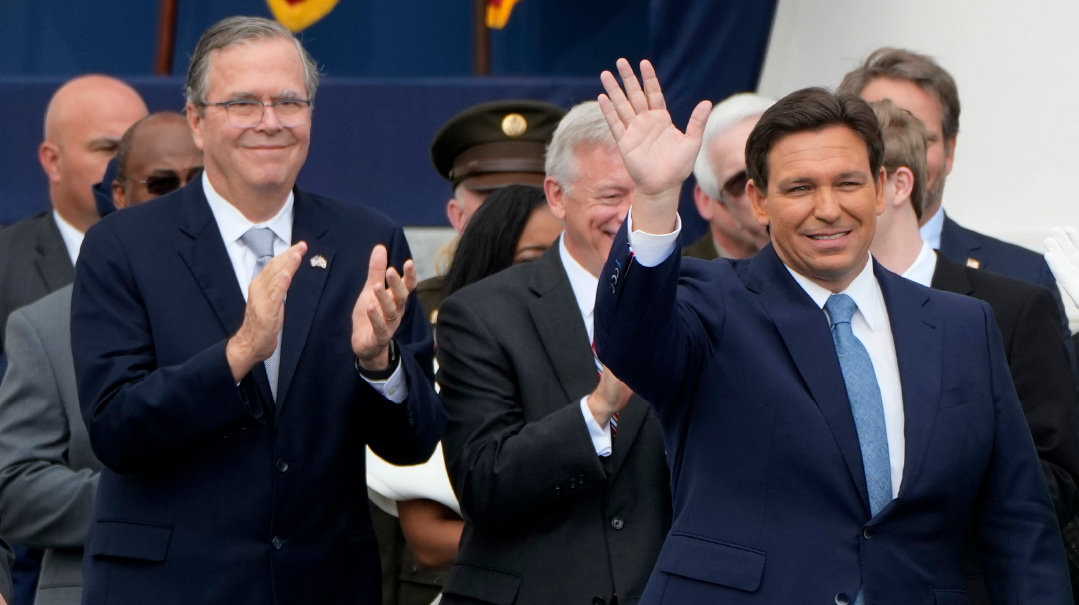
Some of those endorsements have stood out, such as Oklahoma governor Ron Stitt endorsing Ron DeSantis, Indiana governor Eric Holcomb backing Mike Pence, and Senate Minority Leader John Thune supporting Tim Scott. Two candidates have the most endorsements: President Biden is predictably winning over his party, and former president Trump is outpacing his competitors, racking up 56 out of 63 Republicans in the House of Representatives.
With nearly 500 days remaining until the presidential election — and no debates, primaries, or movement in the polls — endorsements are grabbing more than their share of attention. What role do they play?
To understand this, let’s take a step back and think about why endorsements exist, whether they matter, which endorsements truly move the needle, and the timing of this political “thumbs up.”
Why endorsements are sought is simple: attention. Endorsements create a narrative that a candidate has momentum by showcasing the support of a credible person or party. Elected officials, celebrities, clergy, and organizational heads are asked for their endorsements, then paraded out to recite carefully scripted messages. Endorsements nearly always guarantee attention. If politics is viewed as a national sport, endorsements are treated as points on the scoreboard for the recipients.
Create a free account to keep reading.