With already unaffordable healthcare premiums set to rise 25% or more, it’s no wonder the future of Obamacare became a hot-button campaign issue this election.

1) RESTORE AMERICAN DETERRENCE
After eight years of world apology tours that empowered or ignored the actions of rogue states and non-state actors and blurred distinctions between friends and foes, the next administration must project new confidence in America’s exceptionalism, set red lines and back them with action, and reward allies while punishing enemies. Left unchecked, aggression by Russia, North Korea, China, and Iran will continue to destabilize the world and threaten America’s global interests. “The range of steps that the next president might take to rapidly project the image of resurgent US power is lengthy,” noted John Hannah, a deputy national security advisor in the Bush-Cheney administration, writing in the November 1 edition of Foreign Policy. Hannah’s shortlist includes destroying ISIS, deploying a missile defense system against a North Korean nuclear attack, and warning Iran: “The next time Iranian gunboats swarm one of our ships, they will face lethal force.”
2. RECONCILE WITH CONGRESS
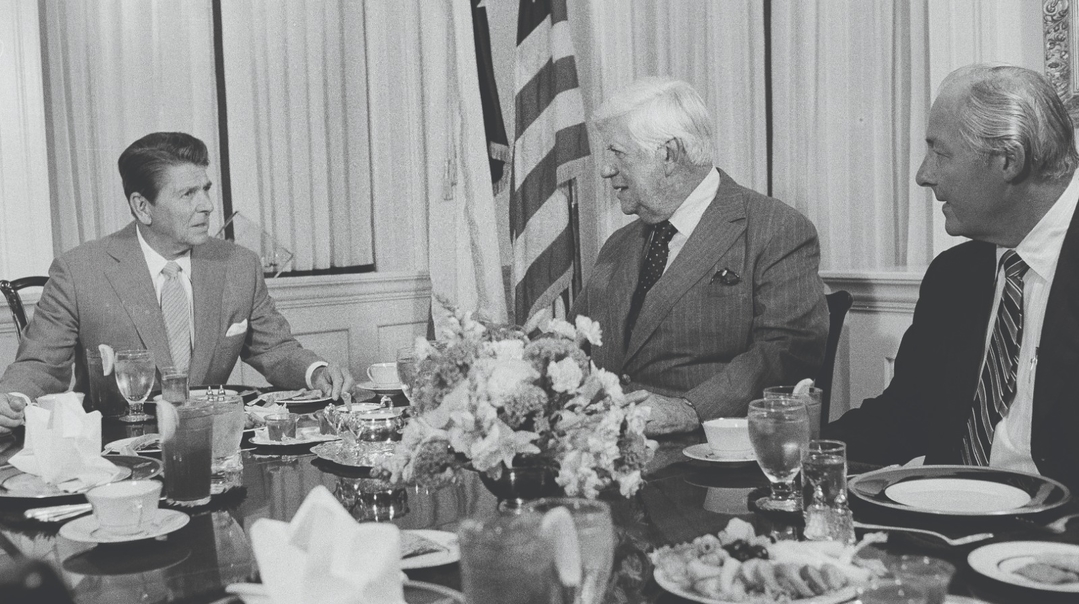
The latest Gallup Poll shows that dissatisfaction with government ranks highest among the non-economy-related concerns of the American people. While more Americans assign greater positive approval ratings to President Obama than to Congress, the burden is normally on the president to reach out and create constructive relationships with key Congressional leaders. When the chips were down, Republican President Reagan and Democrat Tip O’Neill could drop their gloves and sit down over glasses of Irish whiskey and discuss tax and Social Security reform measures. Contrast that with the nearly 20 months it took for President Obama and Senate Minority Leader Mitch McConnell to meet one-on-one, and President Bush, who rarely met with Senate Majority Leader Harry Reid, according to No Labels, a Washington political advocacy group chaired by former US senators Joseph Lieberman and John Huntsman. Another group, the Bipartisan Policy Center’s Commission on Political Reform, recommends the president hold monthly meetings with congressional leaders and be invited by leadership to attend joint congressional caucuses twice a year.

3) REFORM HEALTHCARE, FOR REAL
With already unaffordable healthcare premiums set to rise 25% or more, it’s no wonder the future of Obamacare became a hot-button campaign issue this election. The American people don’t care what you call it. They want better, and more personalized care, at lower prices. The Kaiser Family Foundation polled Americans last month on a list of 13 healthcare priorities. Repealing Obamacare finished 10th at 37%. Twice as many people (74%) said their highest priority was making sure that high-cost drugs for chronic conditions, such as hepatitis, mental illness, and cancer, are affordable to those who need them. Some 63% called for government action to lower prescription drug prices, 57% wanted to force health plans to have sufficient provider networks of doctors and hospitals, and 54% asked the government to protect citizens from overcharges when examined by a doctor not covered by their plan.

4) REBALANCE THE ECONOMIC WHEELS
Two totally different candidates — a billionaire real estate developer who plays the tax code like a fiddle and a socialist keen on remaking America into Norway — successfully channeled the frustration and rage of Americans left behind economically in the new century. Michael Spence, a Nobel Prize winner in economics, summed up the sentiment succinctly: “When countries go down the path of non-inclusive growth patterns, it usually results in disrespect for expertise, disillusionment with the political system and shared cultural values, and even greater social fragmentation and polarization.” Much to Bernie Sanders’s dismay, Robin Hood will not be the nation’s next treasury secretary, polarization isn’t going away soon, and lost industrial jobs are not returning. But if there are two areas that both liberal and conservative economists agree on, it’s on the quickest ways to ramp up the economy: Invest heavily in infrastructure and spur entrepreneurship by reducing occupational licensing and other regulatory barriers. These are achievable, early first-term goals.
Create a free account to keep reading.