If Bibi is serving as a minister, his political life is over. But if he’s the prime minister, he can fight the charges while in office
n Wednesday morning last week, Israel woke up to a new reality: an election without a winner. Likud’s Binyamin Netanyahu and Blue and White’s Benny Gantz both failed to win enough votes to form a coalition. Unlike in April, when Netanyahu’s right-wing bloc ostensibly won the election only to be defeated by Avigdor Lieberman’s grandstanding, neither the right nor the center-left can form a government this time around. As of this writing, the political momentum is swinging toward a unity government between Gantz and Netanyahu, although some are raising the possibility of a third election. But that seems like a remote possibility; it’s doubtful that a majority in the Knesset would support yet another electoral contest.
At the same time, the chances for a unity government are also slim. The central question is who would serve as prime minister first in such an arrangement. Gantz is claiming he should get the nod since he leads the largest party, with 33 seats to the Likud’s 31.
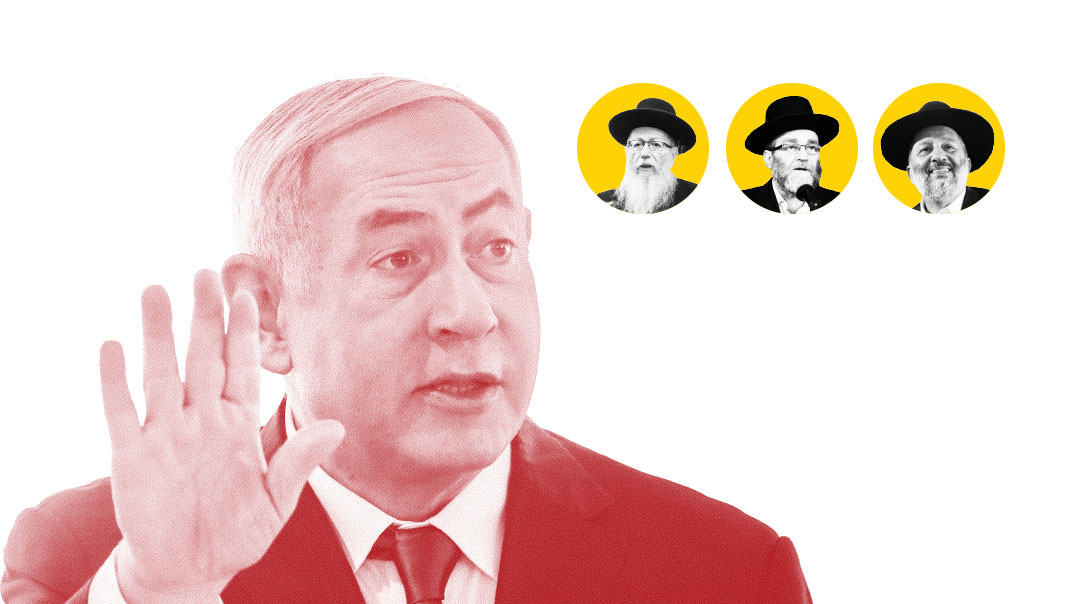
But Netanyahu won’t agree to that for one very good reason: Ministers can be forced to resign, but prime ministers can’t. The stakes couldn’t be higher for Netanyahu. In about six months, it’s expected that Attorney General Avichai Mandleblit will announce his decision to indict the prime minister. If Bibi is serving as a minister, his political life is over. But if he’s the prime minister, he can fight the charges while in office.
How did the election play out for the chareidi parties, United Torah Judaism and Shas? The results were mixed. Though UTJ held on to its eighth seat and Shas even added a ninth, if the chareidi bloc is forced to sit in the minority (as seems likely), their increased power is of little significance. The chareidi representation in Knesset would be rich in seats, but poor in influence.
Create a free account to keep reading.