Reb Yaakov Rajchenbach never saw his assets as his own — he was merely a funnel for anyone in need
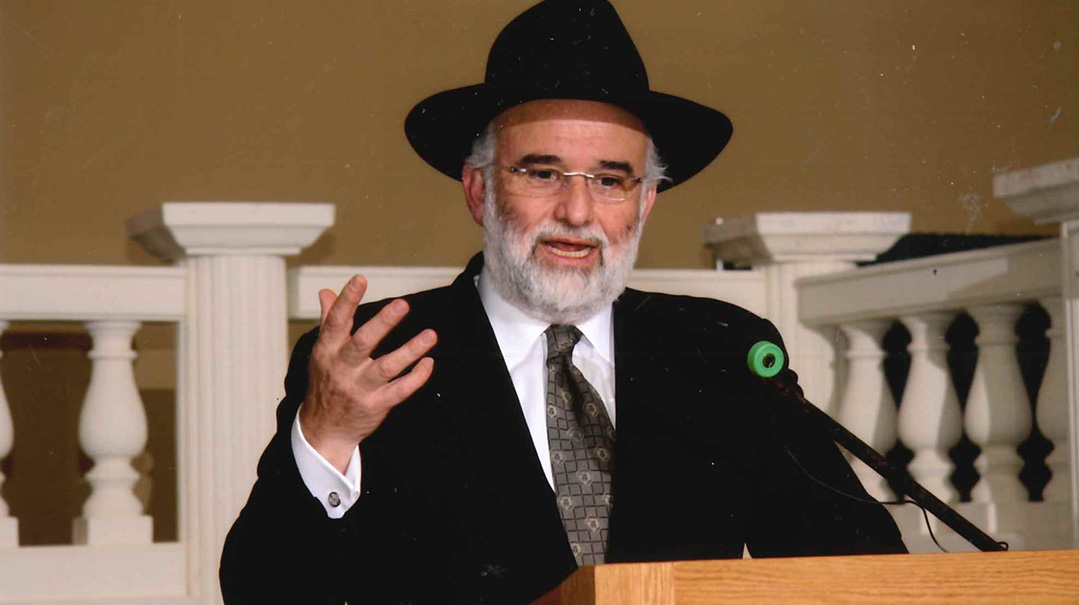
One Friday night some eight years ago, a Chicago dining room hosting a shalom zachar was packed to capacity. But although the last available chair was taken while the guests kept pouring in, the beer and arbis lining the tables lay untouched. At the head of the table sat the zeide, Reb Yaakov Rajchenbach; this was his family, his community, it was everything he lived for, and he glowed with so much pride. The people were proud too, proud to be part of a community whose leaders cared so much.
Someone began to sing, a song not usually sung at a shalom zachor: “V’chol mi she’oskim, b’tzarchei tzibbur b’emunah…”
And suddenly, the mood shifted. The pride was still there, but now, there were tears, signaling an emotion few could describe but everyone shared. “Hakadosh Baruch Hu, y’shalem secharam, v’yasir meihem kol machalah, v’yirpa l’chol gufam…”
It was Shabbos and no one wanted to cry, but the words of the age-old tefillah seemed to have been written specifically for this moment. Just a few days earlier the ominous news had come out: Rabbi Yaakov Rajchenbach wasn’t well, and the doctors were giving him a few months, tops.
Create a free account to keep reading.