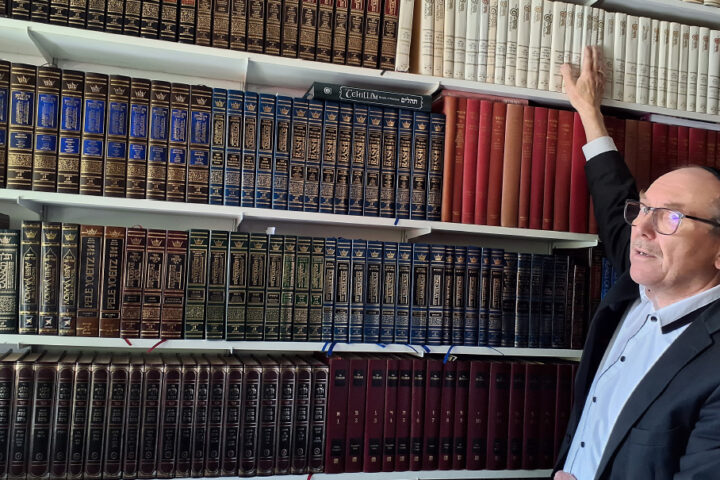
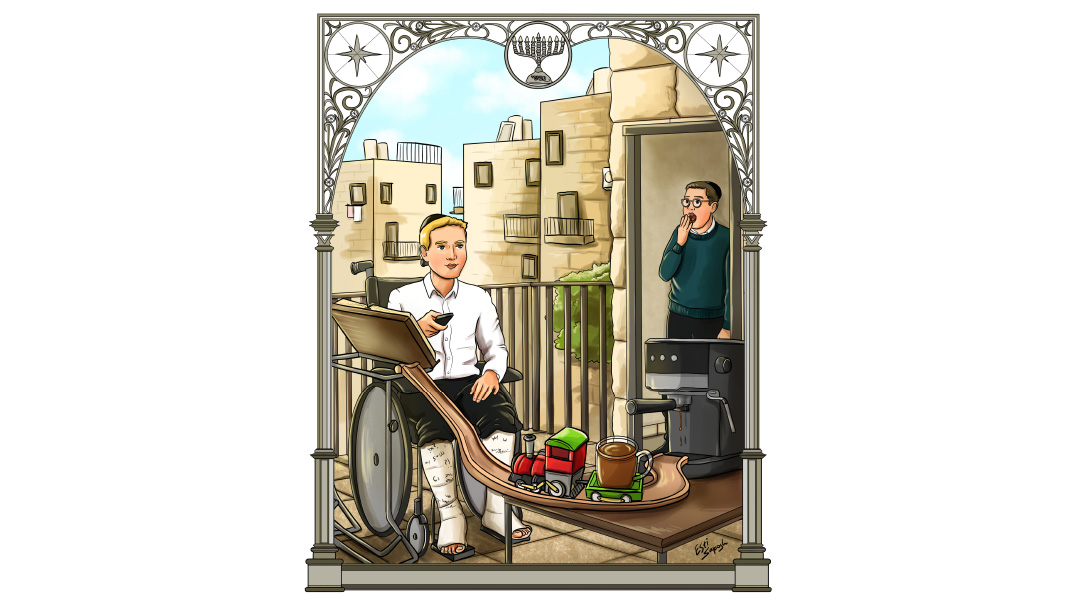
An autodidact in the natural sciences, the Radzyner Rebbe was a linguist and proficient in engineering, medicine, and chemistry
IN 1839, Rav Mordechai Yosef Leiner departed Kotzk and established his own court and unique brand of chassidus in a small town southeast of Lublin named Izhbitz (Izbica), which was 95% Jewish. When the Izhbitzer’s son Rav Yaakov Leiner moved to Radzyn, north of Lublin and near Kotzk, the dynasty then assumed the name of that town. When Rav Yaakov passed away in 1878, he was succeeded by his son Rav Gershon Henoch Leiner (1839–1891) who would emerge as one of the most brilliant, charismatic, and colorful chassidic leaders of the 19th century.
With a disposition similar to that of his grandfather Rav Mordechai Yosef, Rav Gershon Henoch combined strong leadership, boundless energy, creativity, and a proclivity for bold stances against the consensus. Taking pride in his somewhat iconoclastic positions, he maintained “Oseh chadashos baal milchamos!” (Roughly translated, “an innovator is prone to war.”) He discarded outer trappings common to chassidic leaders of his day, donning regular attire and traveling without an entourage or escort.
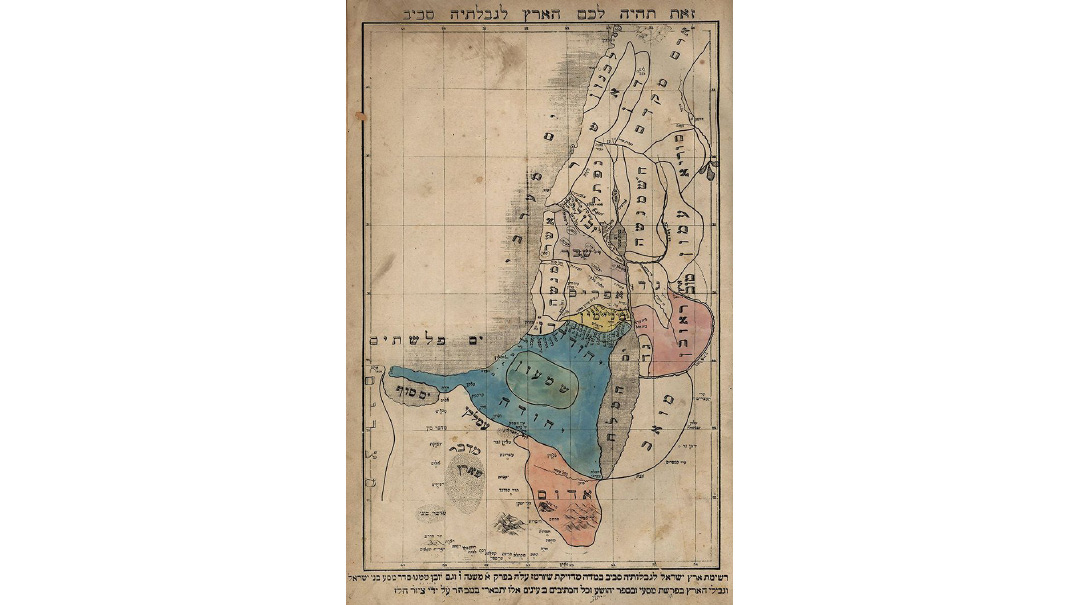
He served as the rabbi of Radzyn long before he assumed the position of Rebbe, and was the publisher of his grandfather’s landmark work Mei Hashiloach. As a young man, he published his own work Sidrei Taharos. This monumental project attempted to organize all passages in Chazal relevant to Mishnah Keilim and Ohalos in a compendium, with page layouts modeled on that of a standard Shas, with Rav Gershon Henoch’s commentaries framing it on either side.
Though his brilliance was acknowledged with this audacious project, it generated controversy. Some were concerned that this was an attempt at a new addition to Talmud Bavli. It nevertheless earned the approbations of many leading Torah scholars, including Rav Yosef Shaul Nathansohn (Shoel U’meishiv), Rav Shimon Sofer, Rav Chaim Berlin, and Rav Chaim Elazar Wachs (Nefesh Chayah).
Create a free account to keep reading.