So what is the art of volunteering? What are the essential leadership traits required?

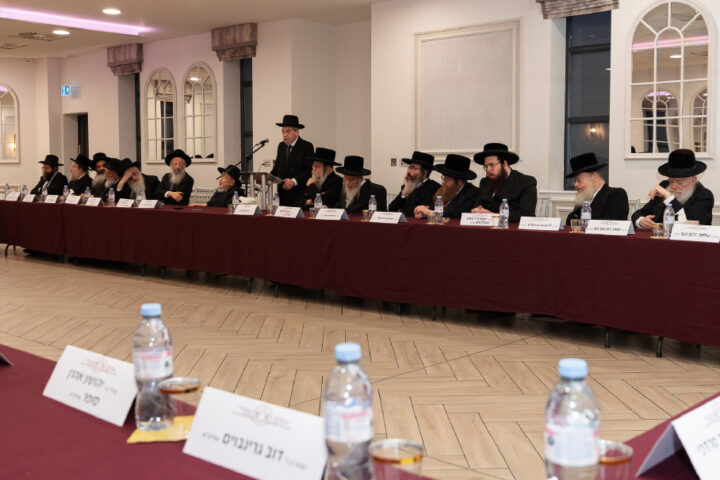
There’s a hidden, powerful force behind the organizations that service our Jewish communities: volunteers. Our institutions — from Bikur Cholim to our day schools to our shuls — thrive due to the unpaid, behind-the-scenes volunteers who make things happen. Community members serve on boards, serve as committee heads, and volunteer as worker bees to plan and execute events, initiatives, and programs. By offering their talents and services at no cost, volunteers enable our organizations to achieve their goals more easily. And our institutions are bolstered by the support of community members who demonstrate their commitment by investing their time, energy, and resources.
Volunteerism has its own inherent challenges, and its own art. Over the years, I have been involved in volunteering for several causes, serving in various capacities from visionary to worker bee. I have said yes, I’m on board; I have said no, not right now. I have struggled to attend meetings and felt frustrated about not being able to give my best to everything I care about. (I also recognize my limitations and conflicting obligations as a wife, mother, and human being.)
On the other hand, organizations face their own challenges in depending on individuals who are volunteering their time and talents for free. Volunteers don’t have to show up to the office, clock in hours during a workday, or sit around a boardroom table in the middle of the afternoon for a scheduled meeting. Their time is their own, and there is only so much an organization can expect when depending on people who are sharing their skill set on their own volition.
Many organizations are challenged in even finding volunteers. Members of our communities want to help, and understand that our communities are stronger due to our efforts, but struggle to find time in addition to work and family obligations. Still, communal change in our communities is often thanks to those not employed by any particular organization. It’s the grassroots efforts of volunteers that grow our existing institutions and support new endeavors.
Create a free account to keep reading.