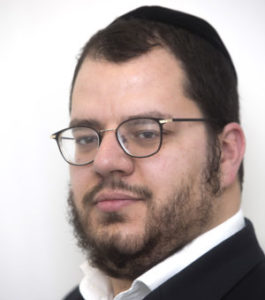
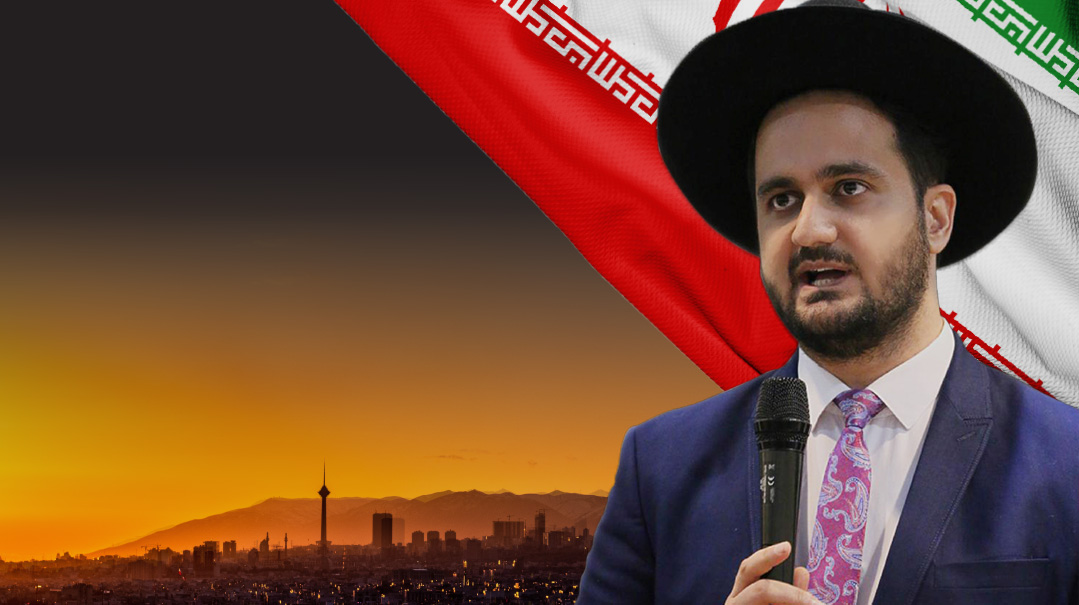
A thought-provoking — and exclusive — conversation with Rabbi Yehuda Gerami, Tehran’s American-educated chief rabbi
Photos: Personal archives
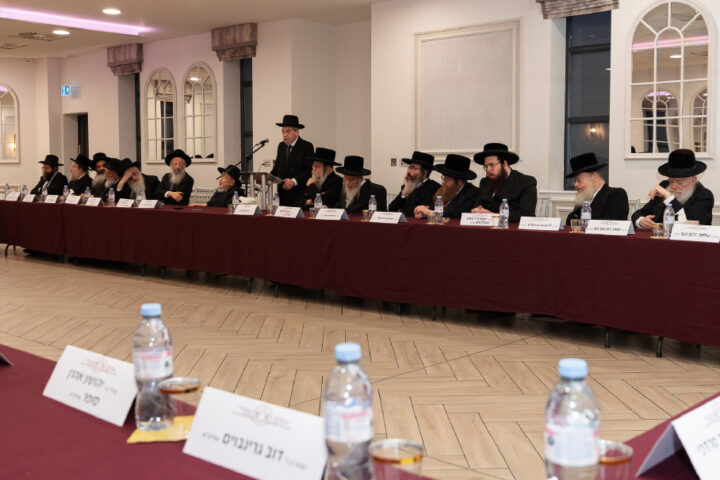
“A revered national hero” is how Tehran’s chief rabbi Yehuda Gerami referred to Islamic Revolutionary Guard commander Qassem Soleimani, assassinated in a targeted US Air Force drone strike in January 2020. And amid the turbulence in Tehran surrounding Soleimani’s death, media users saw photos of an unusual condolence call — a black-hatted delegation from Iran’s Jewish community, led by Rabbi Gerami, paying their respects to the family of the slain general who had dedicated his life to wiping out the State of Israel.
The photographs were a stark reminder that despite reports of oppression and modern memories of fleeing masses, a Jewish kehillah still exists in Iran. With a population variously pegged between 8,000 and 15,000, mainly concentrated in the cities of Tehran, Shiraz, and Isfahan, the community supports a network of government-sanctioned religious services, including shuls, yeshivos, kollelim, shechitah, mikvaos, and training for mohelim.
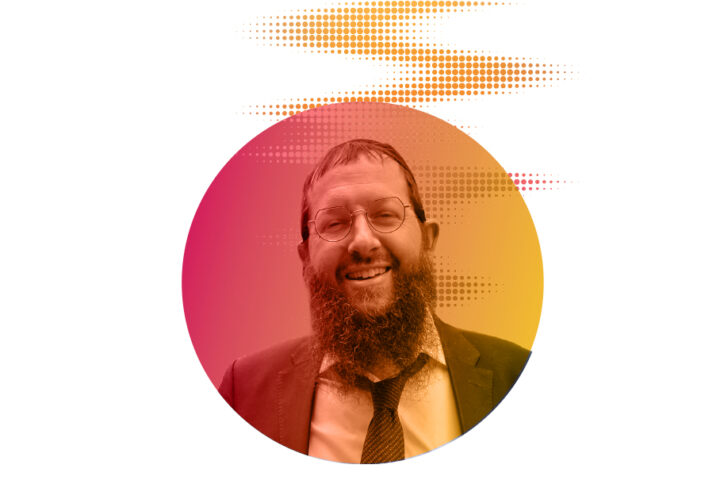
Rabbi Gerami is just 35, but in recent years his star has risen as the respected leader of this vibrant kehillah of Iranian Jewry. He leads a robust community in the land of the ayatollahs, having restored the institution of the Iranian rabbinate to its golden age. But what does Rabbi Gerami really think? Does he really view Qassem Soleimani as a national hero, while most of the Western world considered him an arch-terrorist?
Soleimani was a major thorn in the side of US and Israel, held responsible for countless terror attacks against Israeli and American targets. After his death at the hands of the Americans under commander-in-chief Trump, Israelis celebrated, Americans cracked open champagne, and many Jews quoted the pasuk “ken yovdu kol oyevecha Hashem (likewise all your enemies shall be eliminated).”
Create a free account to keep reading.