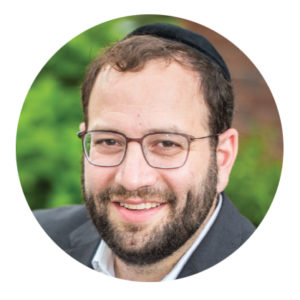
Yaakov Shwekey has learned that fame and adulation are worthless, and that the accolades are for a gift given him as a means of creating connections that bypass barriers.
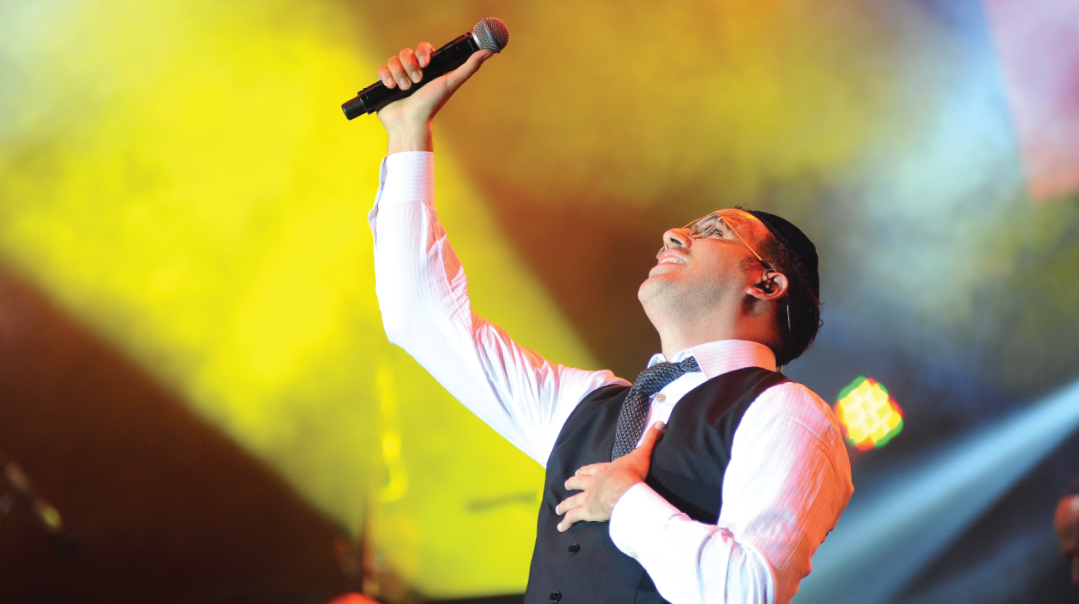
“Yaakov Shwekey,” reflects Rabbi Benzion Shafier of TheShmuz.com and one of Yaakov’s rebbeim from yeshivah, “is a chiddush. When he goes out in public, it’s like whoever the rock stars are today. People want to connect with him. There is adulation and praise, yet he’s so grounded. Sure, it takes work on his end, but if you’d meet his wife and family you’d understand.”
Shwekey appreciates the comment. Part of Hashem’s plan for him, he reflects, included eight years in an intense mussar yeshivah — the perfect setting to prepare him for what was to come.
Yaakov Shwekey was born in Israel, and moved to America with his family when he was seven.
He attended Yeshiva of Brooklyn, but as a teenager, he felt like he wanted a change. “I came into the kitchen one day and heard my mother on the phone. Her friend was telling her about a branch of the Chofetz Chaim yeshivah, and it sounded intriguing.” Yaakov prepared for his bechinah, feeling confident that he knew the designated amud of Gemara, but when he arrived for his meeting, Rosh Yeshivah Rabbi Menachem Davidowitz told him to close the Gemara. “Don’t read. Just answer one question: Do you want to learn?”
Create a free account to keep reading.