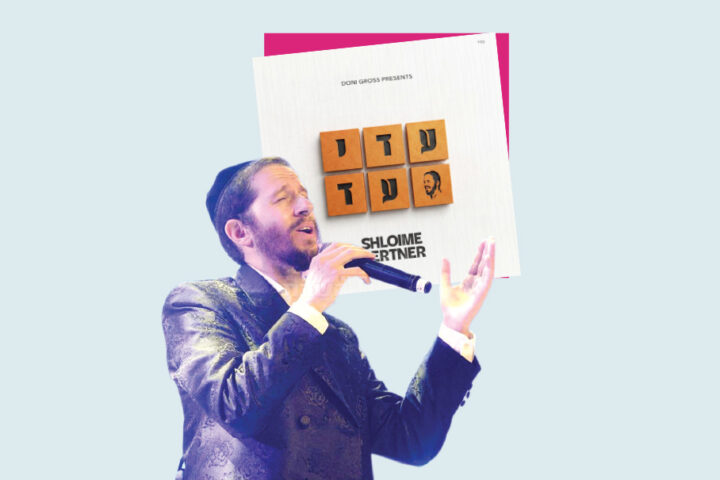
Combining the best of both publications
W
alk into the Har Hotzvim office of Mishpacha and you’ll see a big desk with two administrators sitting side by side, handling phone calls and correspondence amid packed to-do lists. Just past the desk is a hall branching two ways. One way points to the English edition’s headquarters, the other to the Hebrew’s. These two magazines are different creatures, with very different styles and tones. That’s because they’re crafted for different readerships, with very distinct tastes, educations, and cultures.
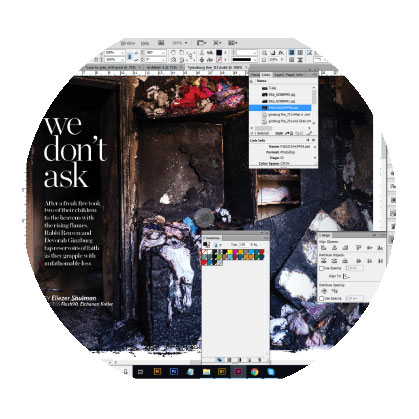
Still, the two publications like to “nosh” on one another’s material, occasionally sharing high-profile interviews, sharp analysis, or beautiful storytelling with a different readership in a different language.
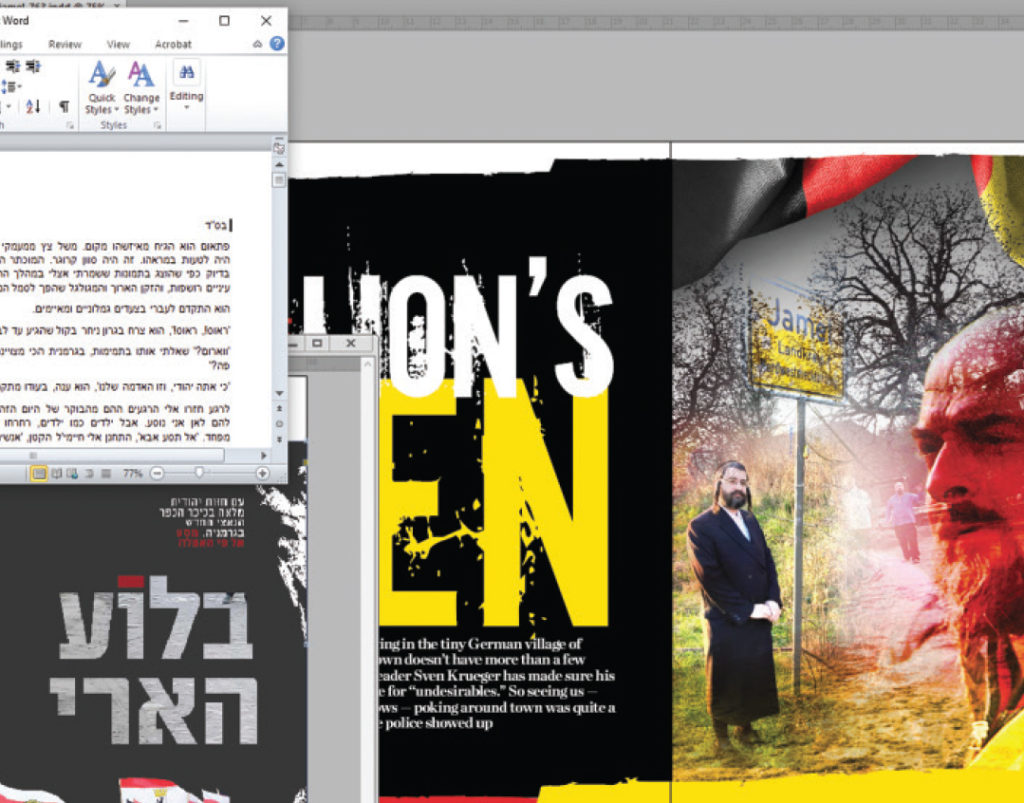
But it’s not as simple as translating the material. More often than not, it’s recalibrating the piece to have maximum impact and relevance for our readers.
Over the years, we’ve refined our translating process. The first step is picking which pieces to translate. Sometimes the story is an obvious pick — it’s a name that excites frum readers wherever they live. Other times it’s a strong, dramatic human-interest story that pulls on threads of emotion that transcend cultural or linguistic boundaries. Every now and then it’s a colorful, quirky, or nostalgic window into a different world — the type of piece that holds a certain charm even if the characters aren’t familiar. And sometimes it’s the fruit of a writer who commands a following no matter who’s reading.
Create a free account to keep reading.