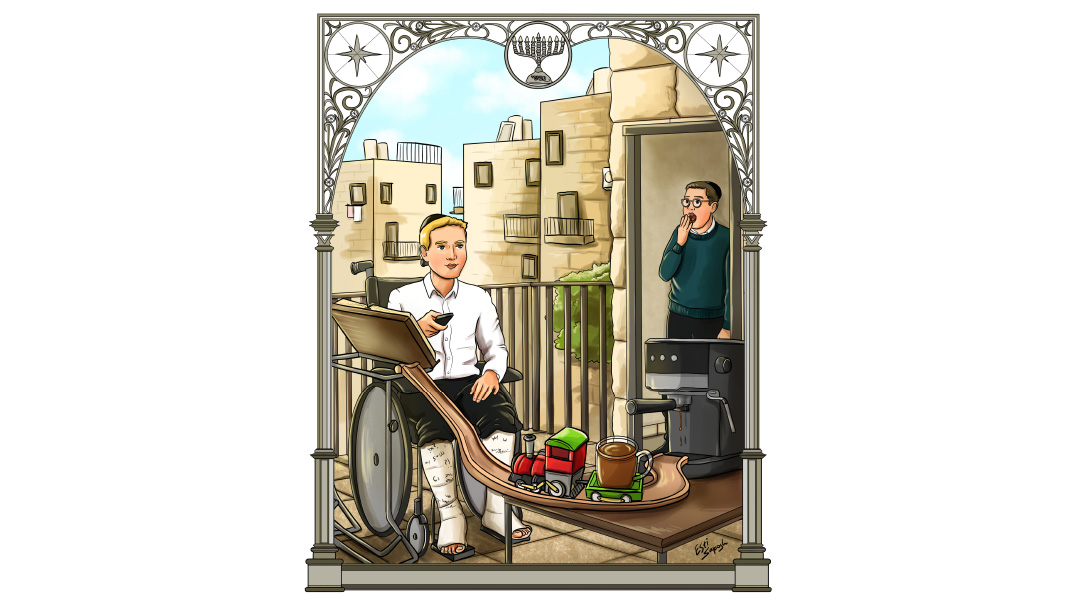
A shared understanding that the reader comes first
T
he writer-editor relationship gets a bad rap. Writers are portrayed as flighty artists who cringe and quibble over every change, editors as tone-deaf technicians who cut out harmonic phrases and mute all that resonance laboriously threaded through the piece. But in my experience at both ends of the process, I’ve seen that the stereotypes are just that.
The more professional the writer, they more open he or she is to feedback. We all want our work to shine, and we also know the value of a fresh set of eyes. The more professional the editor, the more invisible he or she tries to be. When we work with dedicated writers who invest a lot in their craft, we know our mandate is to polish the material while preserving the voice. A diversity of tones and timbres is what gives the magazine its richness, and good editors don’t want every piece to sound alike.
If you’d take a look at the path a piece travels from raw idea to print, it seems pretty straightforward. Writer, editor, proofreader, designer — these are the basic stations, in different permutations and combinations. But eavesdrop on our conversations, or take a look at our correspondence, and you’ll see that there’s a lot of deliberation. Different types of pieces need different types of edits. Finding the right editing style is almost like finding the right shidduch. And like a shidduch, there can be a lot of angst along the way.
Some pieces arrive in good shape, with a strong narrative, logical structure, and cohesive flow. These pieces just need a good polish before being proofread. Others need what I call a “macro edit.” This means taking a wide-lens view of the piece and trying to figure out why it isn’t working well. Maybe there’s a missing angle. Maybe the story four paragraphs down should really be the lead. Maybe the overall tone is off — it should be warmer, or crisper, or more emotive.
Create a free account to keep reading.