Israel can learn from the Chashmonaim that it requires ongoing vigilance, preparedness to fight, and a strong belief in its cause
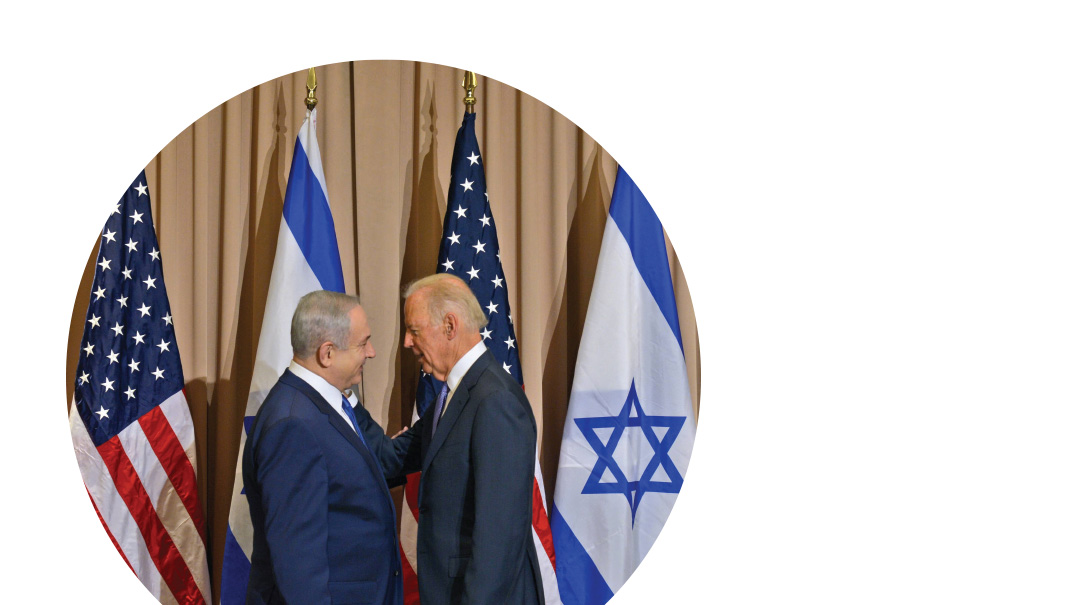
This sentiment is understandable, given how a series of US administrations have pressured Israel to subordinate its defense and diplomatic policies to align with America’s regional interests. It’s relevant now as President Trump tries to rope Israel into his versions of peace in Gaza and Syria, and to sign a multiyear deal to sell Israeli natural gas to Egypt without addressing Egypt’s violations of the Camp David treaty.
It has also sparked widespread debate over whether Israel is a vassal state of America or genuinely independent, as Prime Minister Netanyahu claims.
Three key traits of a vassal state are dependence on a stronger power for security or legitimacy, limited sovereignty where the weaker state cannot act independently of the stronger power’s interests, and formal or de facto subordination. The clearest example of vassal states in recent history is the relationship between the former Soviet Union and its satellite states in Eastern Europe during the Cold War, whose governments had to follow the Soviet line both at home and abroad, or face invasion.
According to the strict historical definition, Israel is not a vassal state. It holds free and independent elections on its own schedule, even if the US meddles to influence the results. Israel pays no taxes to the US and acts unilaterally when it perceives a tactical advantage. A classic example is Israel’s bombing of Iraq’s Osirak nuclear reactor in 1981. The Osirak pattern continues today, with Israel conducting targeted assassinations on foreign soil and establishing military buffer zones in Lebanon and Syria, without prior consultation.
Create a free account to keep reading.