Against the world, the wartime prime minister is the loneliest leader
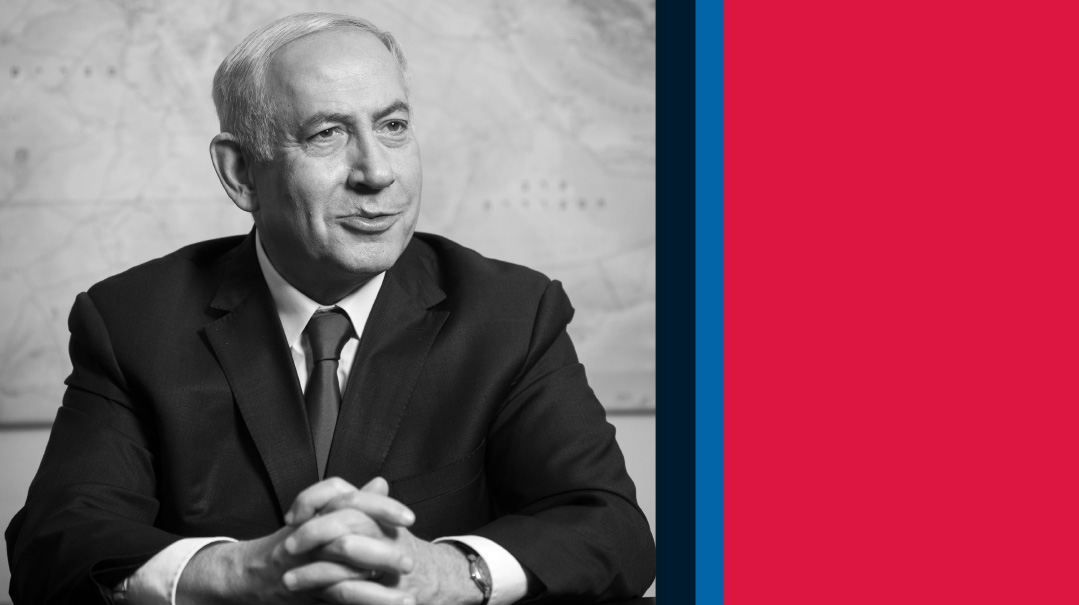
It’s known as “the aquarium” because of its glass walls, but the prime minister’s office is hopelessly mislabeled, because it’s anything but transparent. In this suite of rooms, part of a drab and dated office complex near the Knesset, generations of Israeli leaders have strategized, schemed, and deployed smoke and mirrors.
Such has always been the nature of this place, but over the last 12 months, as he’s prosecuted the most savage conflict in Israel’s history, Bibi Netanyahu has taken that opacity to new levels.
Completing a process that began over the last few years, there’s an invisible wall between the prime minister and much of his team. Netanyahu is known as someone who prefers to keep his emotional distance, his aides more service providers than friends and colleagues. And although he has a loyal foreign minister, it’s Bibi alone who has over the last year been the face of a nation’s policies, defying in his international media appearances the accusations of the world against his country’s war of survival.
One year into the Israel-Iran clash, Hamas is decimated, Hezbollah reeling, and Iran running scared. At our interview — which took place before Bibi ordered the detonation of Hezbollah’s beepers — Netanyahu came across as a lonely figure. As we discussed the horrific moral conundrum of security versus hostages, as well as the immense pressures that have emerged from the White House, the full weight resting on the shoulders of the man in the ergonomic chair was obvious.
Create a free account to keep reading.