How does Biden intend to shape the world in the next four years?
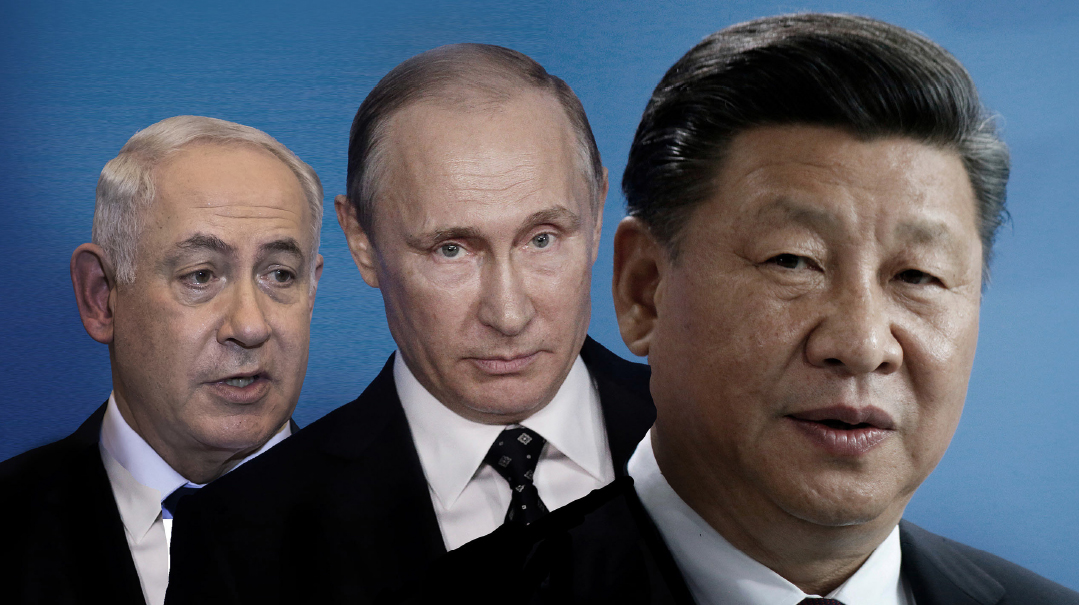
But in other respects, it revealed a huge shift away from the policies of his predecessors, Republicans and Democrats alike. So what did we learn from the speech and what was left unsaid? And how does Biden intend to shape the world in the next four years?
The division of labor in the new administration is clear: Secretary of State Anthony Blinken is managing America’s foreign policy on a day-to-day basis, while Biden applies himself primarily to domestic issues such as COVID-19 and the economy.
After three weeks in office, it’s clear that Biden doesn’t view the Middle East as a priority for this term. In a speech lasting half an hour, the Middle East barely came up. Biden alluded to it only in connection with the war in Yemen. He also brought up Iranian attacks on Saudi targets, and promised to help Saudi Arabia defend itself. But he didn’t enter into his plan for preventing the Iranians from reaching a bomb.
The president didn’t so much as mention Israel and the Palestinians. Anyone hoping for a strong statement of support for the Jewish state, its allies in the Gulf, or the Abraham Accords was disappointed. On the other hand, Biden didn’t mention the Israeli-Palestinian conflict either, and such terms as “two-state solution,” or “peace initiative” were also blessedly absent.
Create a free account to keep reading.