After a year of Arab-Israeli violence, an intelligence figure says that only massive resources can fight the sector’s growing extremism
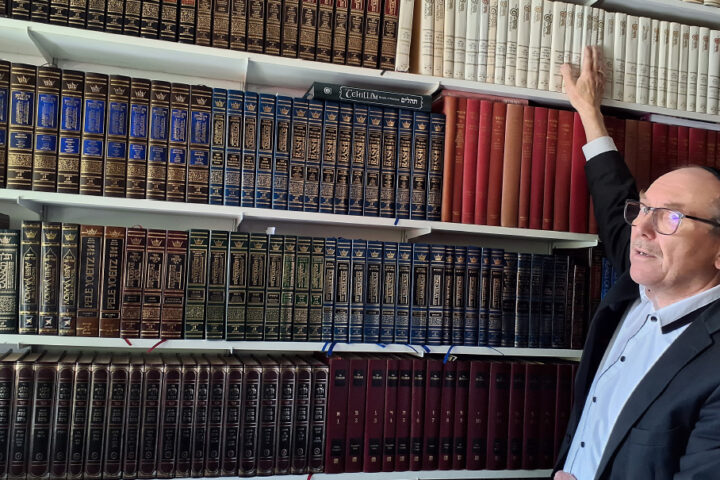
At my side sits S., a senior official in Aman (short for Agaf Hamodi’in, the IDF Military Intelligence Directorate) and one of the most fascinating figures in the security establishment. His knowledge of Arab society, with all its subdivisions of tribe and clan, is second to no one’s on either side of the Green Line. He dreams in their language, is fluent in its idioms, and is an expert on the different denominations of Islam.
A chance meeting connected us a decade ago. Whenever I’ve needed to pick his brain since then, all I’ve had to do was call him. His grasp of the situation on the ground seems limitless — each village has its story, each sign its translation.
At the outskirts of one village, S. points to the Arab sign indicating its name as As-Samu. He is eager to set the historical record straight: Its original name, it turns out, was Eshtemoa, and it was inhabited by Kohanim in biblical times.
On this day, Israeli Arabs are marking the “Nakba,” their term for the “disaster” of the founding of the State of Israel. Villages such as these figure in the narrative they use to brainwash their young about the expulsion of Arab Israelis following the War of Independence. A longer and more accurate view of history tells a different story: Jews lived here millennia before the Arabs stole the land and murdered its owners.
Create a free account to keep reading.