When BINA founder and director Chavie Glustein reached out to me at the beginning of the winter, she had something else in mind
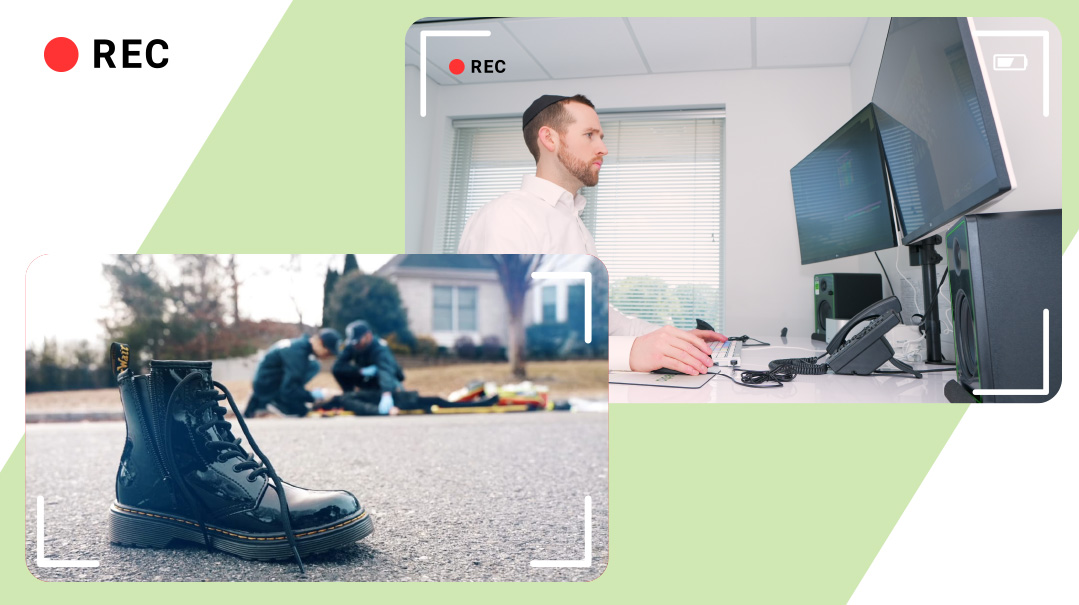
I’ve had the privilege of working with BINA for seven years now. The past few videos we’ve made for them highlighted the importance of their services, guiding survivors of traumatic brain injuries and their families on their journey to rehab and recovery. We’d done that by sharing narratives of patients, filming reenactments of accidents, having a patient’s family share their story, and interviewing leading medical experts. The goal for each of these productions was to help viewers realize that the story doesn’t end when a victim awakens from a coma, or even when he’s released from the hospital. That’s just the beginning, and the underlying theme has been that the road to recovery can be long, complicated, and expensive.
This year, though, when BINA founder and director Chavie Glustein reached out to me at the beginning of the winter, she had something else in mind. One of the biggest challenges in a fundraising campaign is helping donors identify with the cause. The last thing you want is a sense of detachment, that feeling of Nebach, poor guy, but that would never be me. In our first call, Mrs. Glustein explained their mission for this year’s campaign: instead of focusing on the recovery process, the primary goal was to have viewers walk away with the realization of how traumatic brain injuries can happen to anyone, at any time.
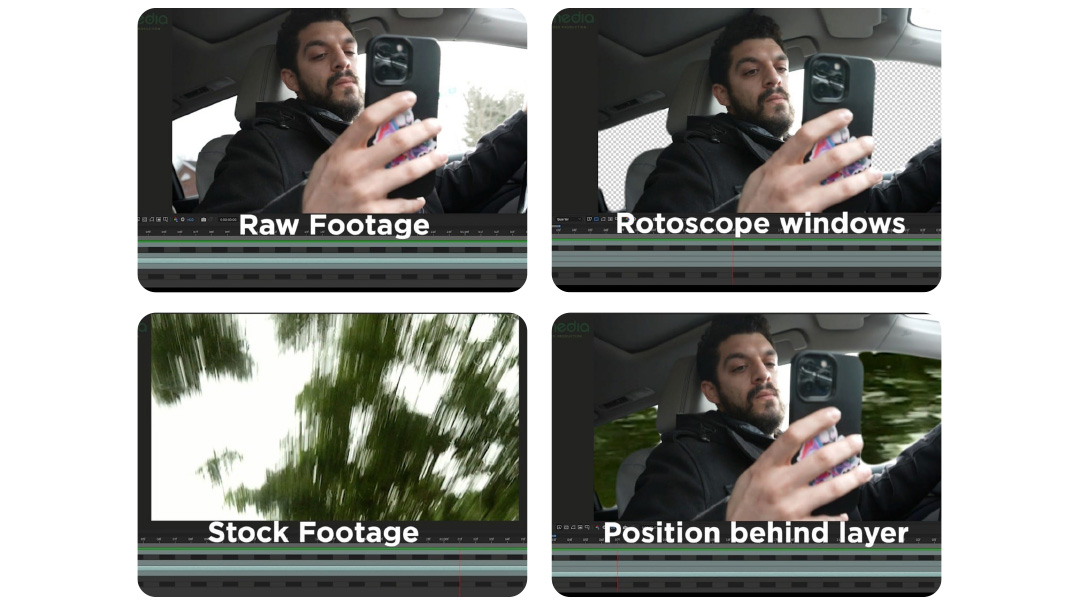
In one of our initial discussions, we discussed having actors play out a few everyday scenes that come very close to brain injury. The first two would be narrow misses, with the last one actually resulting in a traumatic brain injury, which would segue into coverage of BINA’s vital work.
The challenge was coming up with scenarios that are dangerous enough for the potential injury to feel realistic, and at the same time universal enough that they can happen to anyone. One idea that came up early was a worker falling off a scaffolding, which is authentic, but it wouldn’t resonate with viewers who aren’t connected to the construction business. Another idea that was dismissed was a bicycle-riding injury. Although it checked the boxes of common and authentic, here the issue was more nuanced: Would our rider be wearing a helmet or not? It’s a catch-22 situation, because a helmetless rider means we risk losing sympathy if viewers blame the victim for not protecting himself, but a helmet might cause viewers to walk away saying there’s no reason to wear a helmet, because it doesn’t work.
Create a free account to keep reading.