Can Israel make headway at the UN, or does hostility run too deep?
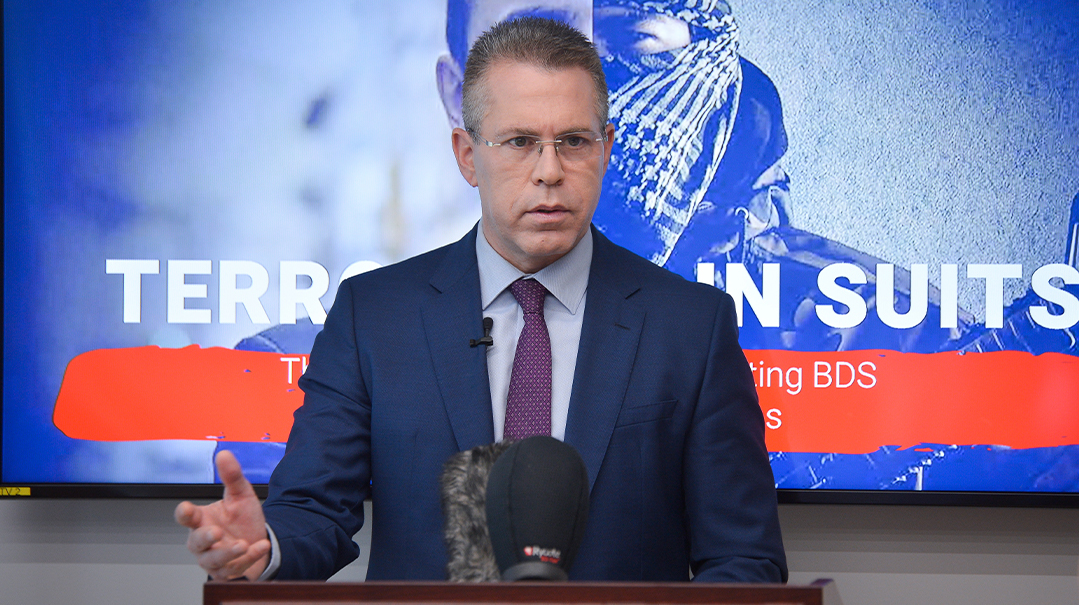
When former Likud minister Gilad Erdan was appointed last year as Israeli ambassador to both the United States and the United Nations, he stepped into giant shoes. The last person to perform both roles was legendary diplomat Abba Eban in the 1960s. The double act proved short-lived as Bibi’s fall shifted the political pendulum leftward. Mike Herzog — a dovish former general and brother of the new president — is set to take over in Washington. But Erdan isn’t heading home: He’ll be concentrating on making Israel’s case in the often-hostile arena of the UN.
One thing I’ve seen is that yes, we do have opportunities in this body, and it’s worth the fight. There’s no doubt that it’s a hypocritical and morally confused institution, because of the power of individual member states. The UN also has an unfixable structural problem, given the fact that countries vote based on their regional or religious allegiances.
But it’s possible to change things by convincing individual countries to break off from their tribal allegiances, such as Guatemala, which moved its embassy to Jerusalem in 2018. We have to work hard to build ties, as well as conditioning the new ties we’ve developed on voting patterns in the UN. I think this is a strategy that should be pursued, even with states we’ve just signed peace treaties with.
There was a political decision to leave the Human Rights Council because it’s a corrupt body — made up of 47 countries, many of which are undemocratic. They pretend to be striving for human rights, but in reality, it’s a whitewashing operation. The most authoritarian regimes gain recognition as human rights defenders.
Create a free account to keep reading.