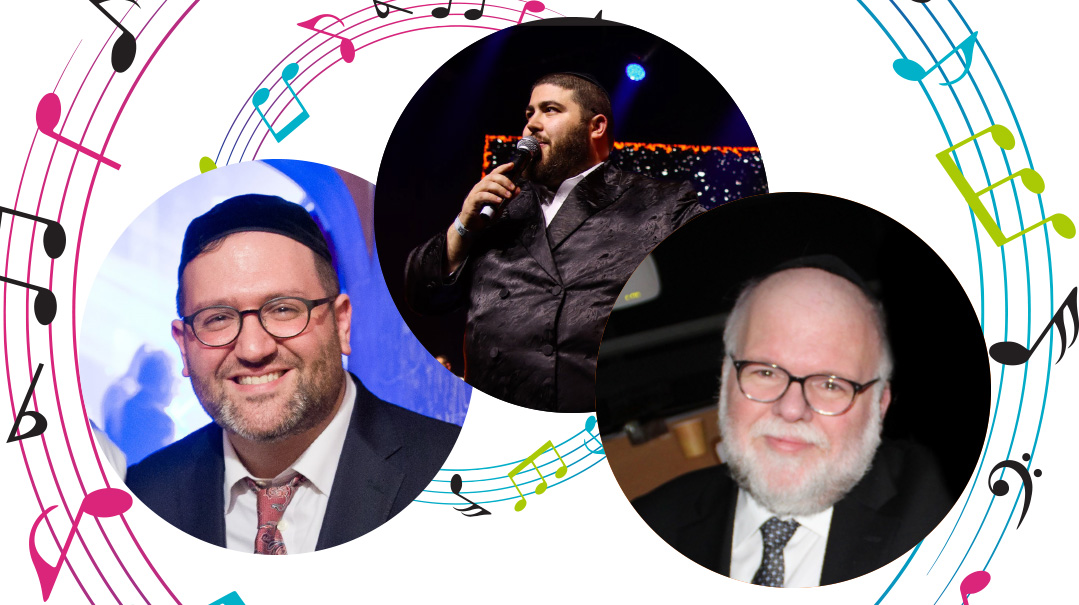
In a peek behind the props, concert producers share a bit of what it takes to keep the music playing
The first concerts I ever produced, when I was about 15 or 16 years old, were for the camps I was in at the time. I got to play drums, hire/coordinate the musicians, the singers, the sound, and of course the song selection, which was a teenage Jewish music fan’s dream come true. When I was around 18 and had just come out with my first album, there was a yeshivah doing a fundraising concert who had hired Avraham Fried as the main singer and me as the opening act. And then I got a surprise call from them, asking me to produce the event. I don’t know if Avremel even remembers this, but he had suggested to the client that maybe I could pull it together for them. And I did, which was a big deal for me at the time. Soon after releasing my solo projects — The Chevra, Menucha, and the Yeshiva Boys Choir — I started producing their events all over the world.
Soon people started asking me to produce concerts other than my own. Once I did an outdoor Chol Hamoed event for a medical rehab center with Avraham Fried and YBC, and 25,000 people came. That was the first time I dealt with police and heavy security. After that I was asked to come to Crown Heights and organize the Chabad Parade, coordinating with the police department and stages for the performers. One event led to another, and baruch Hashem, I wound up producing the biggest frum events in America.
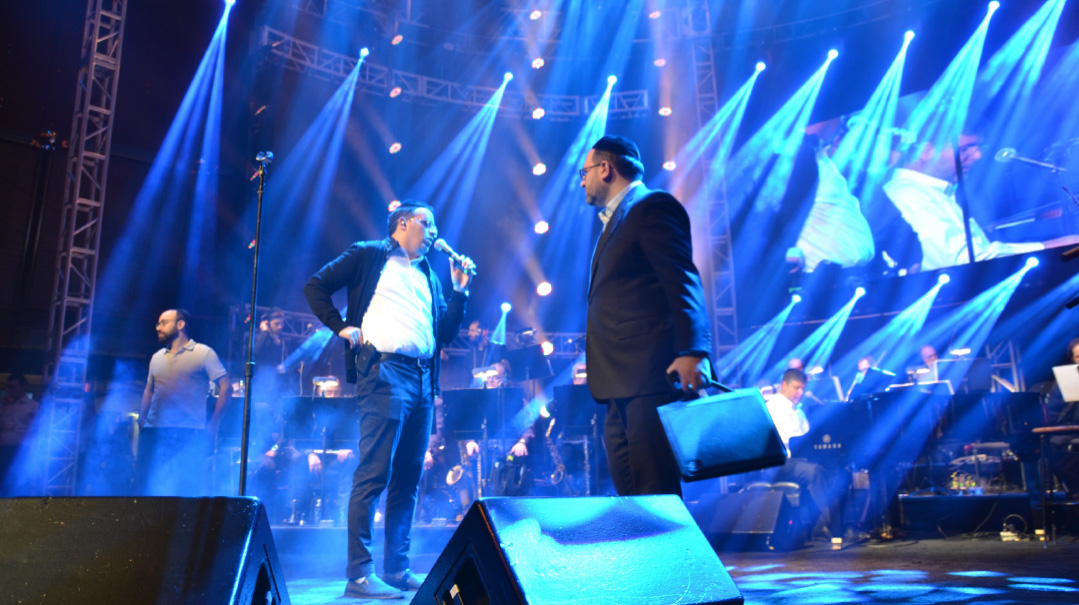
If there are mostly kids in the audience, it has to be 90 percent fast songs — with slow songs, they just get bored. When the audience is primarily adults, then you can get more creative with the mix of fast and slow songs, especially if the orchestra is very high end, with a large string section.
Dinners and smaller concerts are much simpler, and songs can be chosen and rehearsed just a week before, but with big productions, it gets more complicated. Within a couple weeks of hiring, I prepare a list of songs. Then I prepare the arrangements for the orchestras, as well as a computer-generated version of each segment to give to the singers, choirs, musicians, as well as the lights, programming and video teams. By the time we meet at the first rehearsal, everyone has already rehearsed separately with an accurate version of the song. The tempo is set, all the lights and screens are preprogrammed, and everything has to go boom at the same second. When people are paying $1,000 a seat, the event has to be perfect.
Create a free account to keep reading.