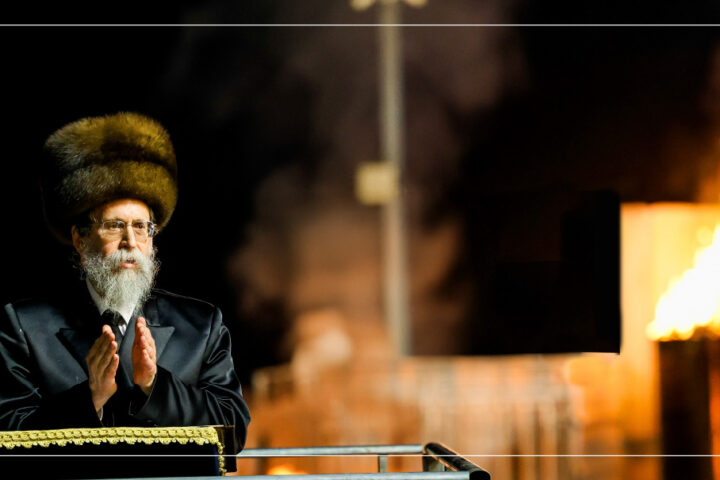
The Open Orthodox movement originally presented itself as a more liberal version of Modern Orthodoxy. But with time, it openly embraced a clear departure from halachah and mesorah, promoting ideas and practices that cannot be called Orthodox.
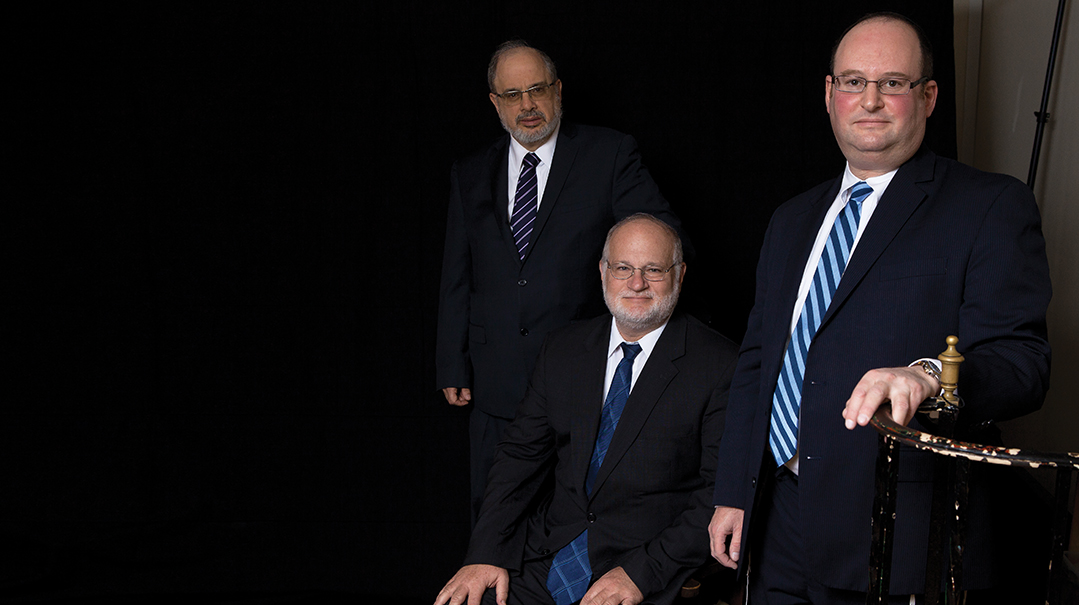
Last week, the Rabbinical Council of America targeted a central pillar of Open Orthodoxy with a resolution prohibiting female clergy, and the Moetzes Gedolei HaTorah of Agudath Israel of America, went even further, placing the schismatic movement beyond the pale of Torah Judaism and denying the legitimacy of Open Orthodox-ordained rabbis. We met with three prominent members of the rabbinate to discuss these recent events and their implications for the Orthodox community.
For several years now, individuals and institutions affiliated with a movement known informally as Open Orthodoxy have roiled the American Orthodox Jewish community by adopting positions and practices that range from nontraditional, but still within Orthodox bounds, to openly heretical. In the last year, however, a steady stream of statements and actions by the movement’s leaders seem to reflect a decision to make a complete break with Orthodoxy.
Teachers and students at the movement’s rabbinical school, Yeshivat Chovevei Torah (YCT) and other Open Orthodox figures have publicly denied the Divinity of part or all of the Torah, disparaged the Avos, and rejected the authority of Chazal. Movement leaders have spoken out in favor of same-gender relationships, engaged in joint services with non-Orthodox and non-Jewish congregations, and innovated the “partnership minyan,” where men and women share equal roles in the prayer service. Full-fledged rabbinic roles for women have become a movement fixture.
This past week, the Moetzes Gedolei HaTorah of America issued a statement declaring Open Orthodoxy a schismatic movement that no longer merits the title Orthodox and whose clergy cannot lay claim to rabbinic authority. Also last week, the Rabbinical Council of America (RCA) voted to prohibit its members from hiring women for any sort of rabbinic position or conferring ordination on women, a move clearly aimed at Open Orthodoxy.
Create a free account to keep reading.