The only way to explain the joy of Simchas Torah is in the language of love
Years back one Simchas Torah, I had the privilege to speak at an Arachim seminar for people who were beginning to reconnect with Yiddishkeit. Although most readers need no introduction to this joyful yearly ritual, it’s always a good idea to take a fresh look at the things we take for granted, through the eyes of one experiencing the deep and profound simchah for the first time.
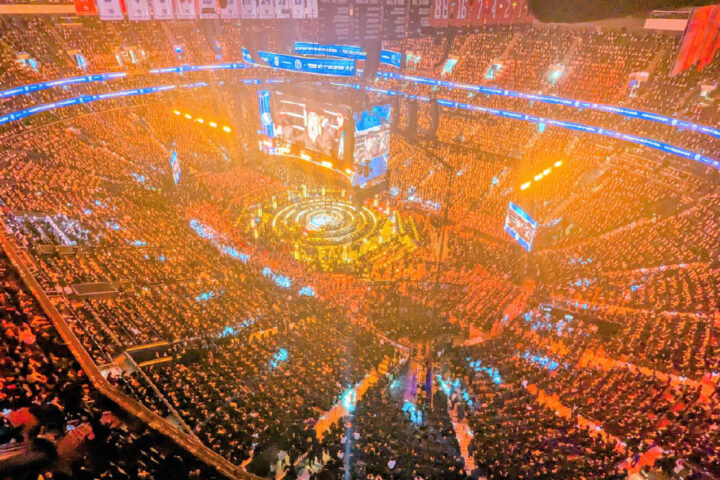
We do hakafos just prior to reading V’zos Habrachah, the final parshah of the Chumash. We all know what hakafos look like, and we’re all familiar with the jubilation that saturates the shul as the mispallelim, young and old, circle the bimah, embracing Torah scrolls in song and dance.
And we all know that the sefer Torah embodies the very essence of ideal Jewish life, shaping the character of the Jewish People. We know that it constitutes that mysterious “something” that has given meaning to our existence and strengthened our endurance against all odds. Yet, none of this seems sufficient to explain the emotional fervor of our bond with the Torah. That we would idealize the Torah and fight to defend its principles against those who’d wish to do away with it is easy to understand. But hugging and kissing it, dancing ecstatically with it? Isn’t that a little extreme?
Can you think of any other document or book in human history that was ever treated this way? Have you ever heard of Christians dancing with the New Testament cradled lovingly in their arms? When Muslims converge en masse to Mecca or other sites they hold sacred, do they passionately hug the Quran? You won’t see such displays of affection in secular celebrations, either. Americans don’t dance ardently with the Declaration of Independence on the Fourth of July, even though it represents their freedom and all the benefits of democracy they enjoy, and I’ve never heard of anyone kissing the Magna Carta.
Create a free account to keep reading.