Okay… So you know nothing about interior design, or you know everything and this is a review. Either way, what’s a dialogue that doesn’t begin with description of the dialect at hand? Here is a design dictionary that breaks down a few of the common interior design styles (replete with some narrative, of course).
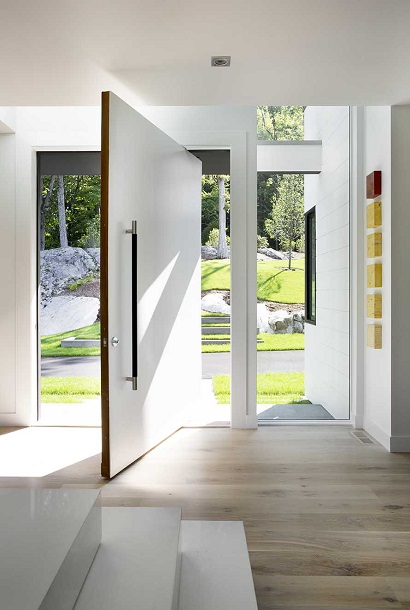
The term MODERN DESIGN is often used to loosely describe “anything that doesn’t have my Hungarian grandmother’s design influence.” It’s a broad term, true, but modern distinctly refers to a home with clean lines and intentional simplicity. A subsidiary of modern design is minimalist. What comes to mind for many of us is a starkness or a coldness. When executed properly, however, this is hardly the case. Its signature style is more focused on fuss-free elegance than on museum-style sterility. Modern decor has a refinement, and the furniture is often at the crossroads between functionality and sophistication._
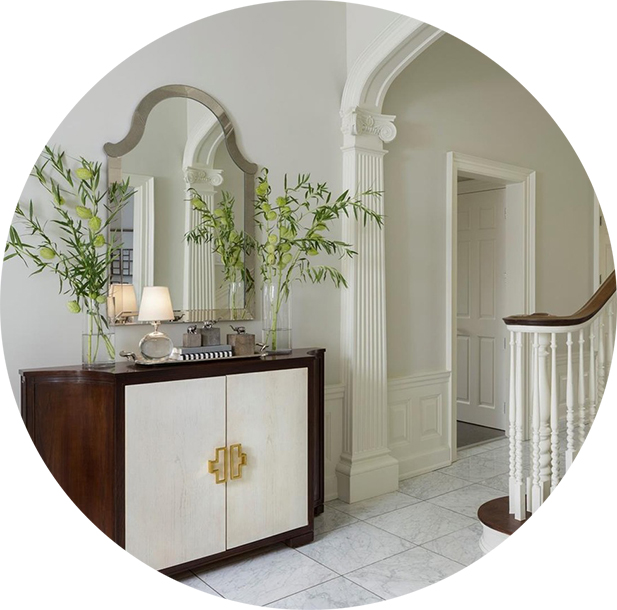
TRADITIONAL is almost my personal favorite — maybe because it’s the misunderstood underdog in our community, maybe because most interior design styles are rooted in this one, or maybe because it’s a lot more versatile than you’d think.
Execution: The key to decorating this category successfully is suffusing it with pieces that have a sense of humor: playful colors or textures on a classic Louis XIV chair are timeless yet so very cool; a 2019 sconce hanging alongside a baroque mirror feels very intentional; and a vintage rug placed under a mid-century chair in a light pink boiled wool gives me goose bumps. There are often elaborate details on the furniture frames, and fabrics may be patterned and made of silk or brocade. The depth and layering involved in successful traditional design requires fortitude and foresight, but hey, I didn’t say I was subjective at all.
Create a free account to keep reading.