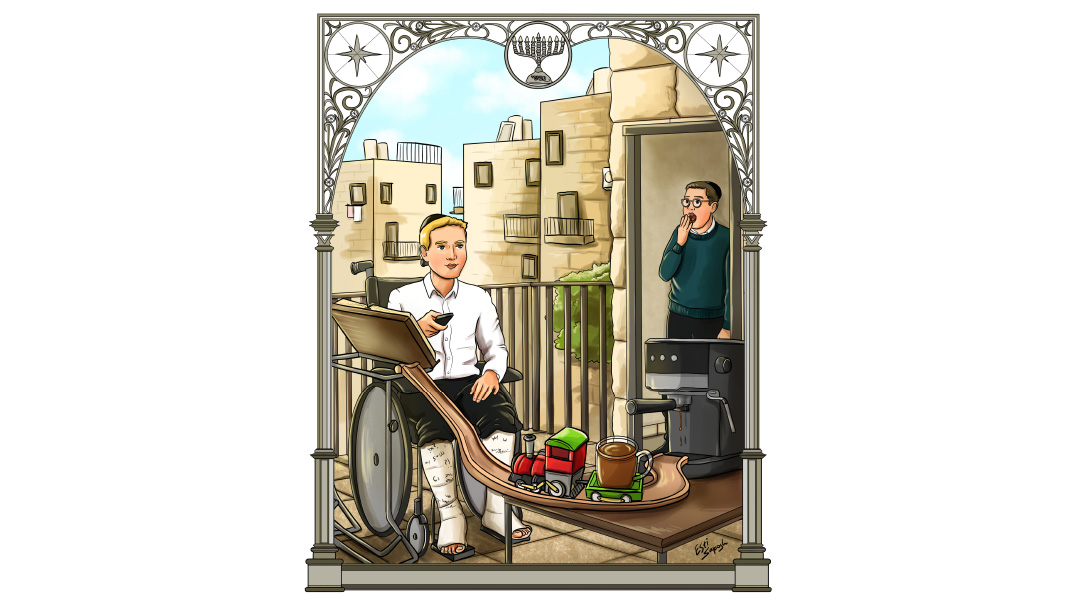
Surely, many of us have not in fact remained indifferent to what we went through over this period, but have instead used it to become different and better in some way
Different, not indifferent The arrival of new antiviral treatments coupled with the ubiquitous availability of vaccines has led even many of the more cautious experts to speak of turning the corner on Covid. New York Times writer David Leonhardt, for example, cites Dr. Robert Wachter, chair of the department of medicine at the University of California, San Francisco, as one of those who “has begun to think about when most of life’s rhythms should start returning to normal. Increasingly, he believes the answer is: Now.”
Dr. Wachter has decided to resume more of his old activities and accept the additional risk that comes with them, because, he explains, “if I’m not going to do it now, I’m probably saying that I’m not going to do it for the next couple of years, and I might be saying I’m not doing it forever.”
This is based, Leonhardt writes, on “the fact that the virus is unlikely to go away, ever. Like most viruses, it will probably keep circulating, with cases rising sometimes and falling other times. But we have the tools — vaccines, along with an emerging group of treatments — to turn it into a manageable virus, similar to the seasonal flu.” We can only hope the Borei Olam agrees.
And if He does, that will present us with a final Covid challenge. As the disease recedes from the center of our lives toward the periphery, we will have one last opportunity to tap into the mix of emotions we once experienced — the dread, the confusion, but also the hisorerus — in order to bring about lasting changes in our lives.
Create a free account to keep reading.