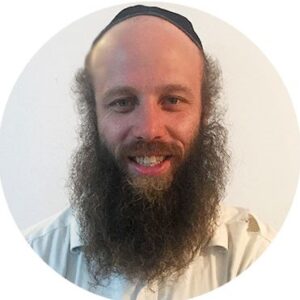
I ’m not exactly chassidish in the classic sense. True I have a big beard and I get inspired by niggunim but when people ask me if I have a connection to any particular rebbe I tell them that I’m a chassid of HaKadosh Baruch Hu.
I occasionally went to Friday night Toldos Aharon tishen back when I was in yeshivah and once waited in line to get a brachah from the Belzer Rebbe but my exposure to chassidus was mostly limited to seforim. At least until I made aliyah and started working as a psychiatrist in the various chareidi communities of Jerusalem and its environs.
I’m not sure if I expected everyone to be saints and truth be told this societal grouping — in terms of mental health — was pretty much like any other group of folks I’d met. Baruch Hashem there is less substance abuse in the chassidish world but it still exists. Like in the rest of the population there are chareidi/chassidic patients with serious mental illnesses such as schizophrenia and bipolar disorder although in my experience they do have better outcomes than patients in nonreligious communities due to the overwhelming support the community provides for their kehillah and neighbors.
In general chassidish patients are not more resistant to taking medications than any other patients I’ve worked with. While a Chinese patient might want to try a traditional herbal supplement before taking meds and a hippie from San Francisco might only take a medication along with a daily Yoga class a Gerrer chassid might want to get a brachah before trying a pharmacological treatment and a Breslover patient (one not resistant to medication altogether as some interpret the words of Rebbe Nachman) might only agree if the pill won’t interfere with his yearly pilgrimage to Uman.