With Dr. Turetsky, it was never a question of whether the glass was half empty or half full: It was always overflowing
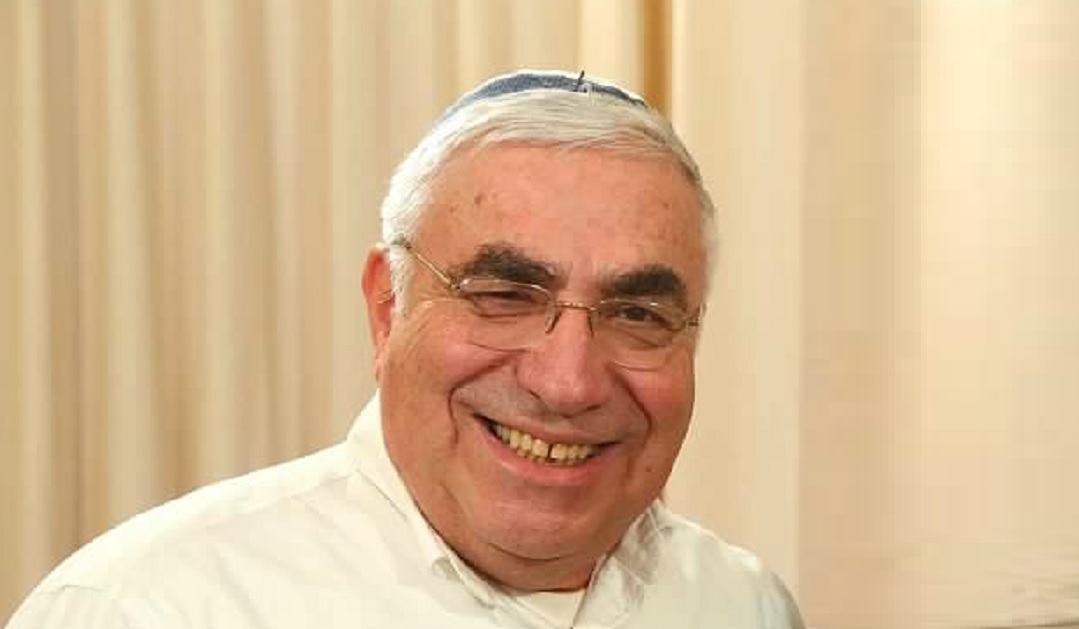
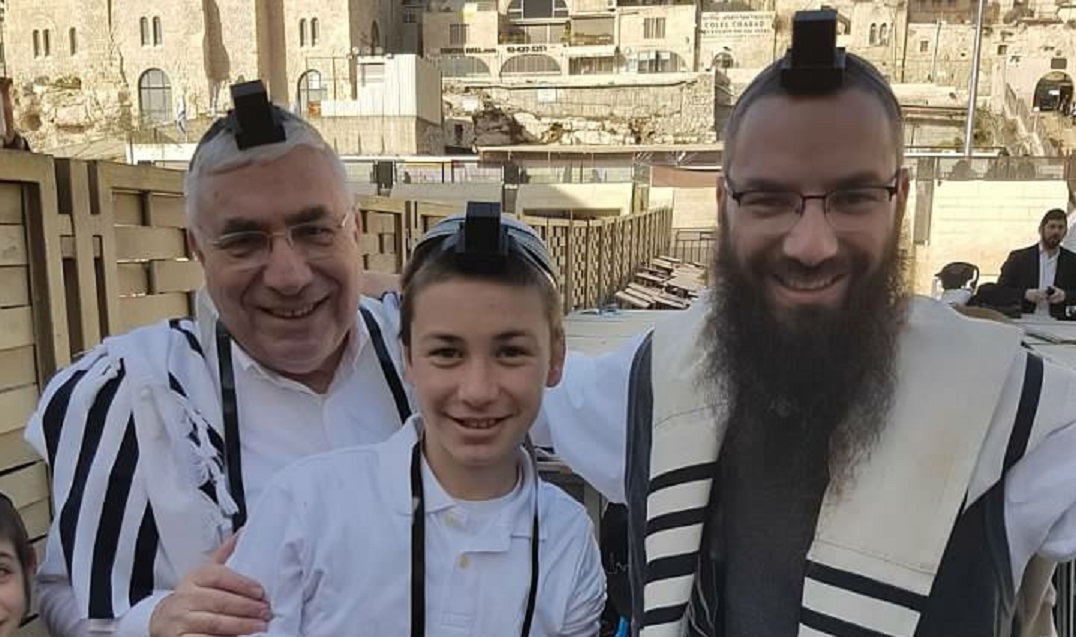
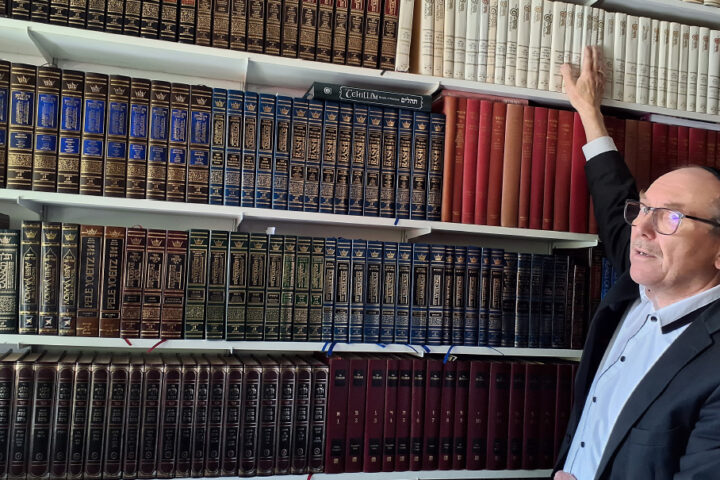
Every Friday morning, the daf yomi shiur at the Young Israel of New Rochelle would be given by Dr. Arthur Turetsky – and he didn’t stop smiling. His enthusiasm and excitement in giving over the daf was like that of a shanah alef kid who finally grasps the sweetness of the Gemara. He was a staple of the New Rochelle daf yomi chabura, but it wasn’t just the daf that excited this top-tier veteran pulmonologist – his personal Torah library could rival that of a small yeshivah, and he always made sure to get his hands on the latest sefer that had just been printed, stealing glances in his busy schedule bein gavra l’gavra.
But that wasn’t exactly the course planned out for him half a century ago, growing up in a traditional home in Bridgeport, Connecticut. Young, promising Arthur Turetsky was on a trajectory toward Ivy League university, medical school and joining his father’s medical practice. While he did ultimately attend medical school and became a talented and successful physician, continuing in his father’s footsteps, he took an unexpected detour along the way.
He had always been interested in his Jewish heritage even while attending public school, and upon graduation a young rabbi encouraged him to check out Yeshiva University. He was intrigued by the possibility of being able to learn Torah while getting a college degree – but when he broached the topic with his parents, they weren’t exactly enthusiastic. But Arthur wore them down with his assurances that he would continue on to medical school following his hoped-for yeshivah education. Family lore is that Rabbi Dr. Samuel Belkin, YU’s longtime, venerated president, called the Turetskys himself to make the case for a yeshivah education. In the end they acquiesced – but that meant Arthur would have a lot of catching up to do. So the summer before his freshman year, he taught himself Rashi script so that he wouldn’t be so far behind his fellow students.
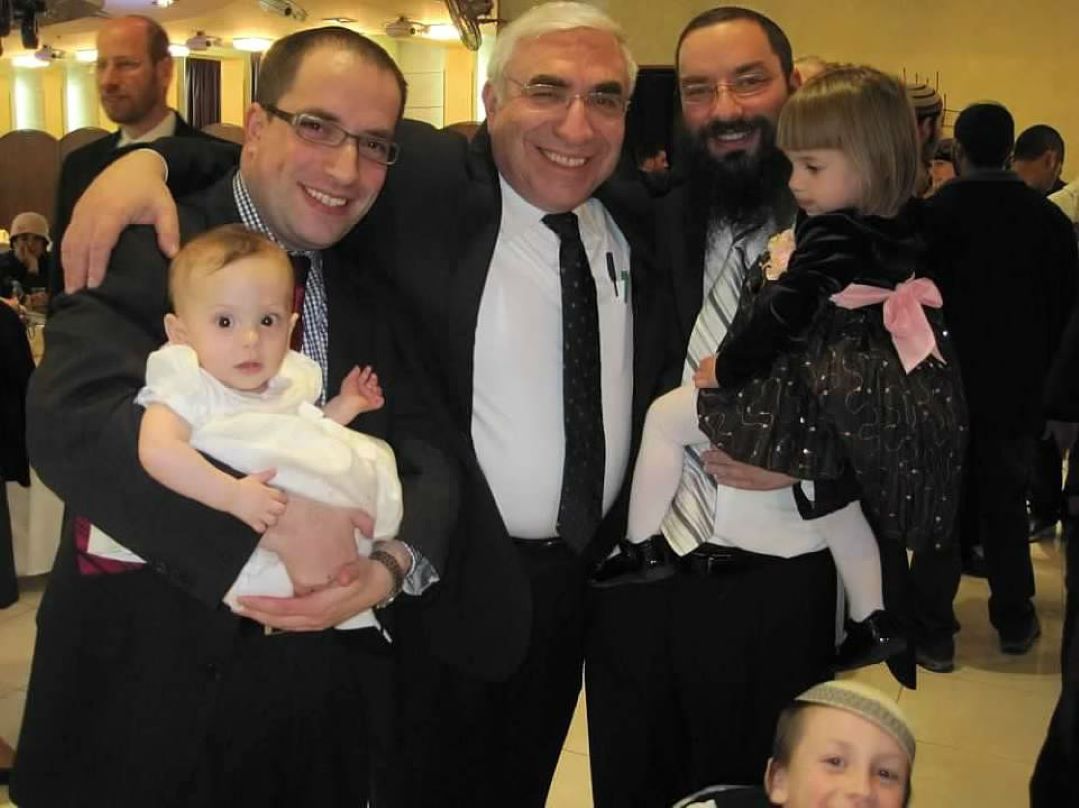
He began his YU career in the JSS program geared toward baalei teshuvah and those with weaker backgrounds. By the end of his time in YU though, he had moved up to a regular yeshivah shiur – because once he started learning, he never stopped. His excitement for new sefarim and learning a new pshat never waned. There was nothing jaded or jaundiced about his view of Torah; it was all beautiful and exciting.
Create a free account to keep reading.